Blog
Discover our latest articles and blogs
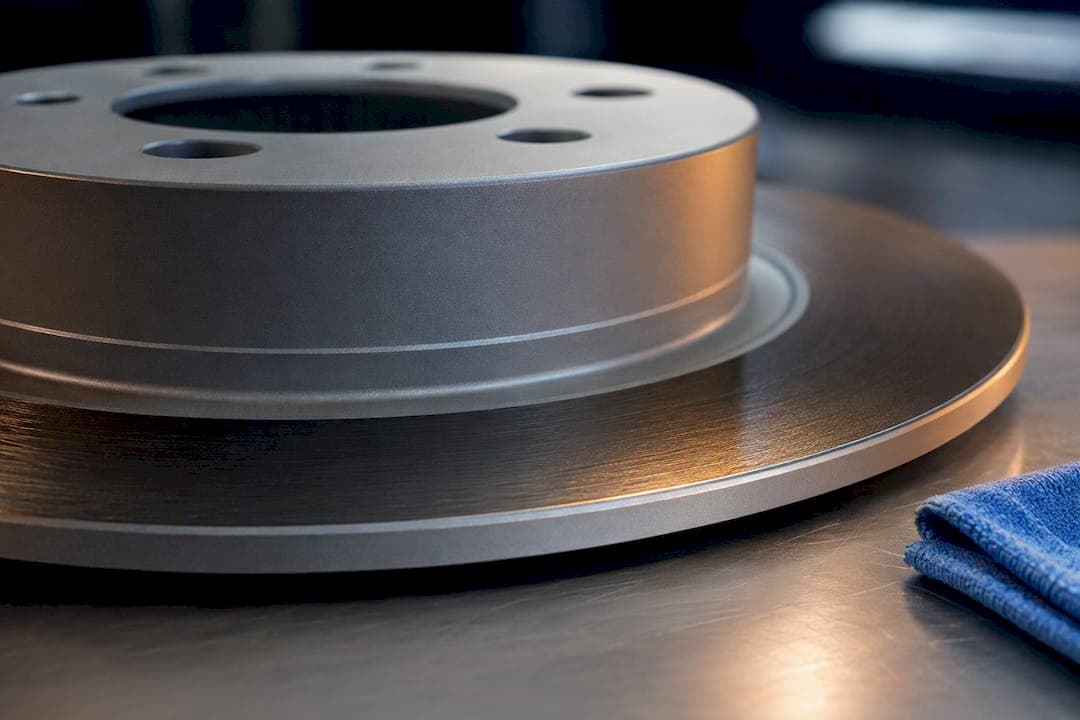
Stop Rust and Stuck Rotors: Coated Rotor Benefits for Daily Drivers
Prevent rust and seized hubs: why coated rotors pay for commuters, how they affect braking, and industry salt-test proof.
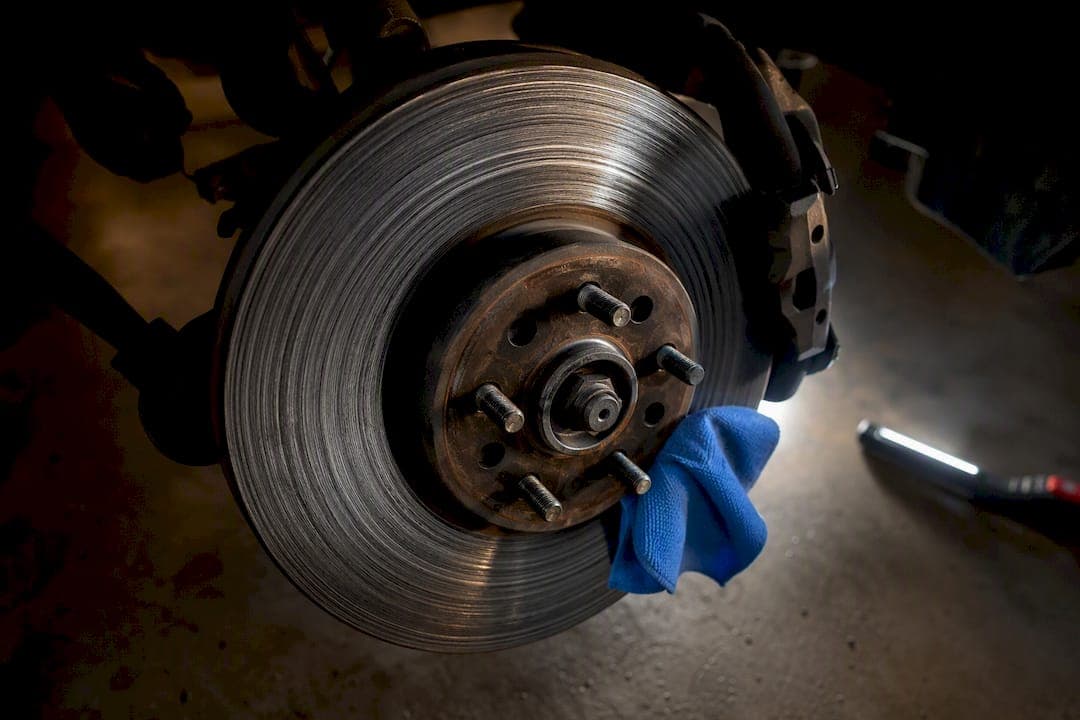
Drivers: 8 Causes of Grooved Rotors, DIY Checks to Inspect First
Find what causes grooved rotors, learn quick DIY inspection checks, know when to stop driving, and when resurfacing or a quality replacement is needed.
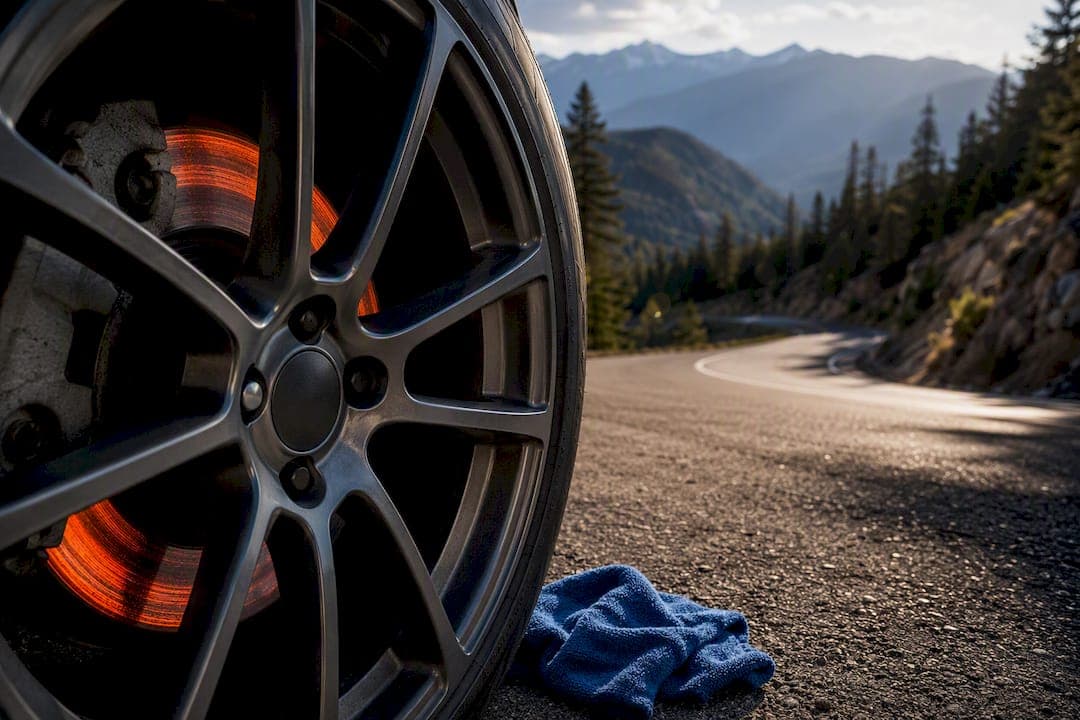
Avoid 600°F: Mountain Drivers' Brake Fade Prevention, Maintenance & DBC
Prevent brake fade on mountain descents: use engine braking and snubbed stops, check fluid and pads, and consider DBC upgrades for towing.
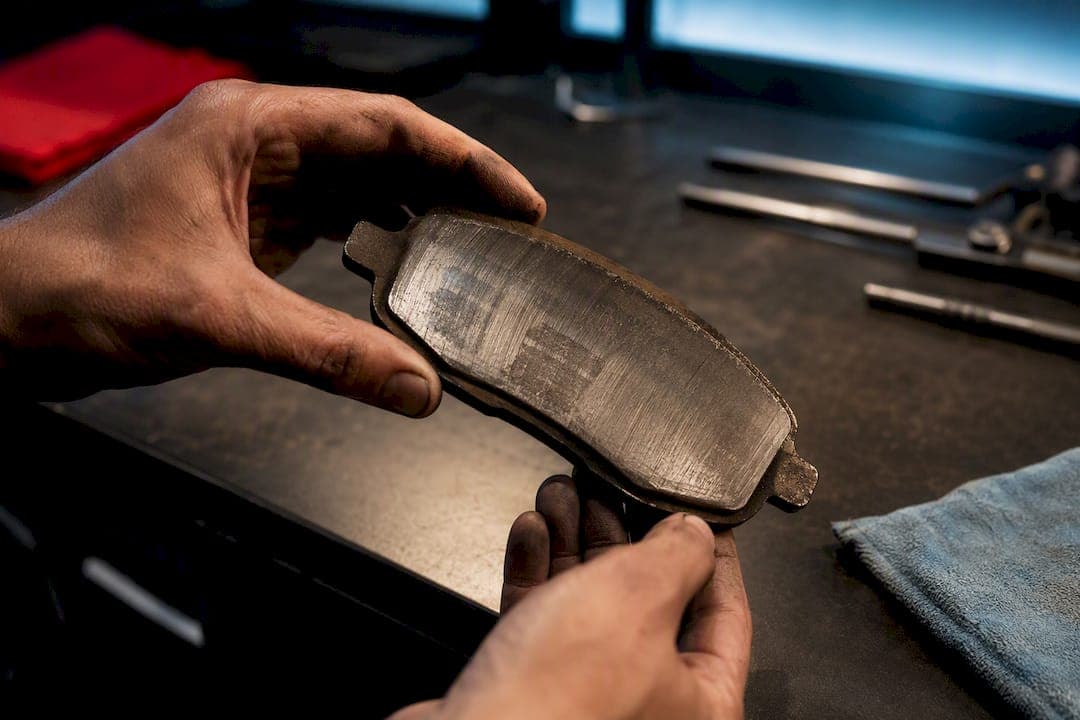
Sand or Replace Glazed Brake Pads: Technician DIY Rules and 10–15 Stop Bedding
Technician-minded DIY rules to fix glazed brake pads. Inspect first, sand only light glazing or replace, then follow a stepwise deglaze and 10–15...
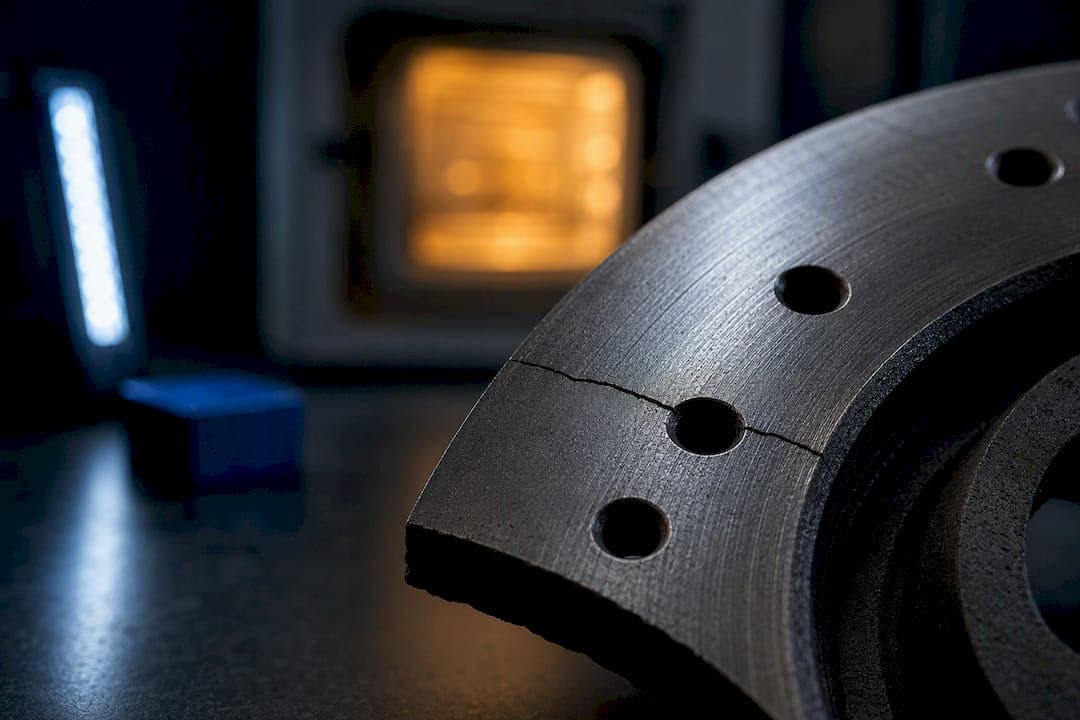
Drivers: Why Drilled Rotors Crack on Track, Chamfers and Heat Treatment Matter
Learn why drilled rotors crack under repeated heat, how to inspect and when to replace, and why chamfering and heat treatment reduce the risk.
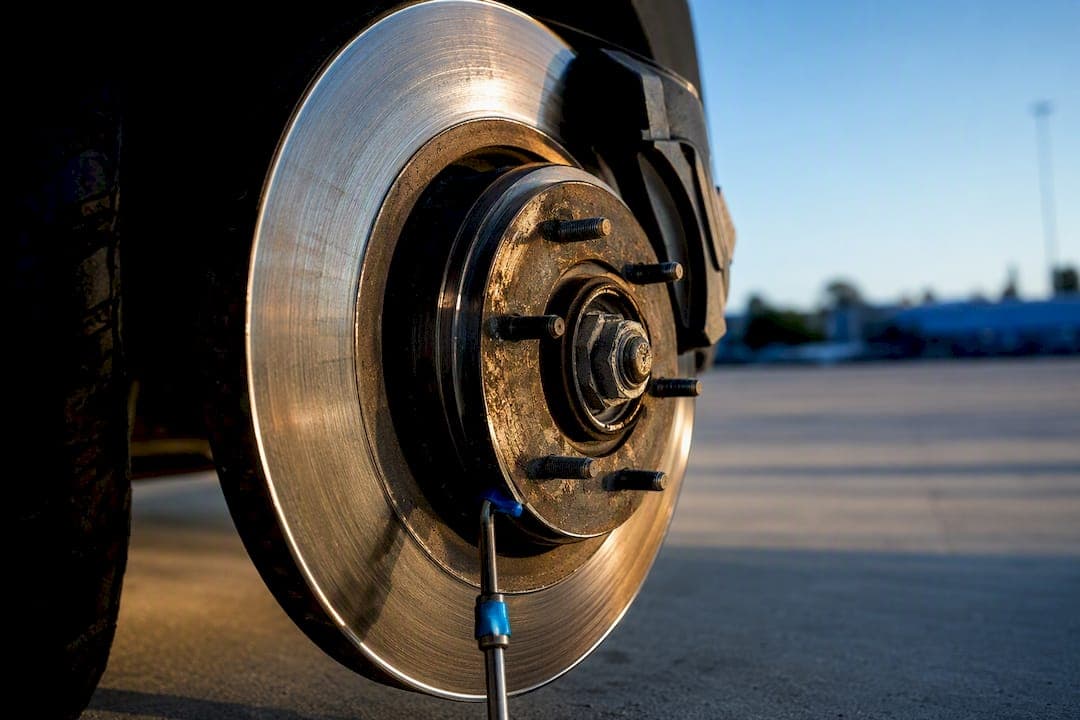
When They Pay: High Carbon Rotors for Towing and Performance Drivers
Application-first assessment of high carbon rotors for towing, performance and heavy-use drivers. Testing results and technician vetted maintenance help...
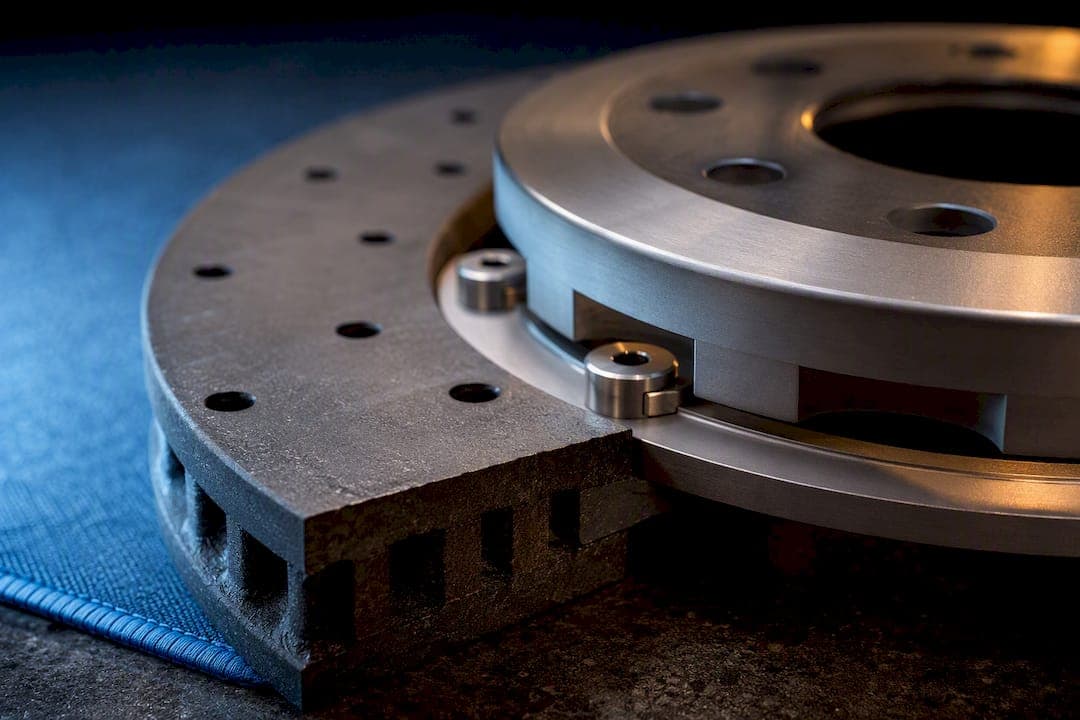
When Two Piece Rotors Pay Off for Car Owners and Enthusiasts
Decide whether two piece rotors suit your car. Learn when they improve braking for track or towing, plus service and fitment checks.
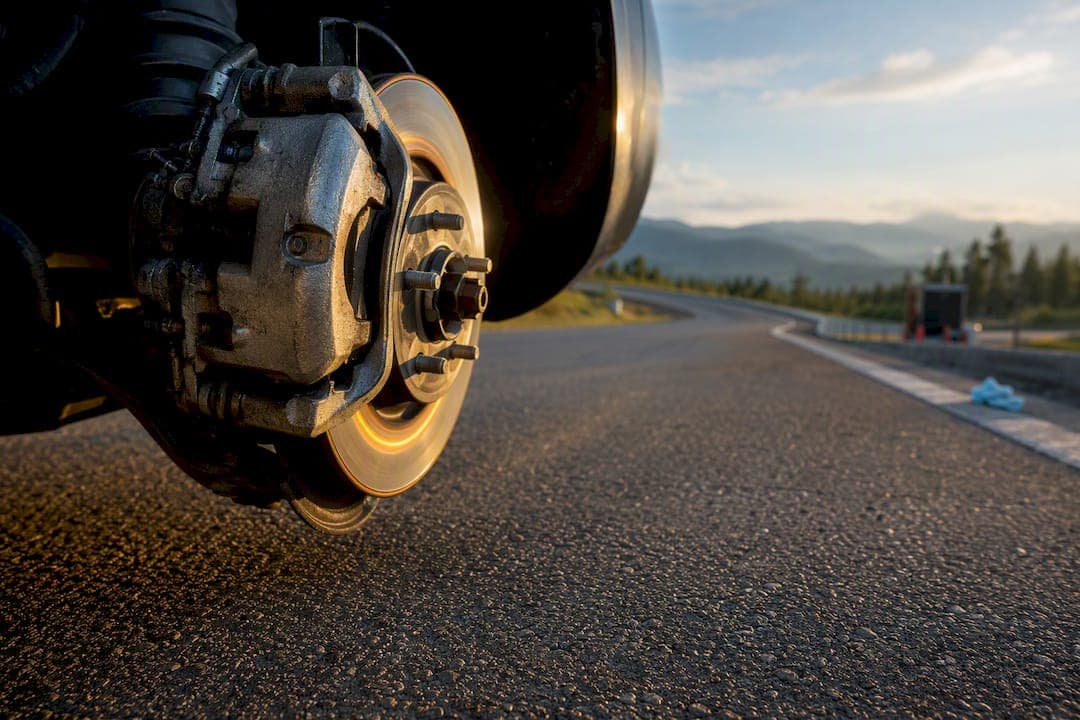
Two Sets of Ten Partial Stops for Proper Brake Bedding in Canada
Technician informed, Canada focused steps to bed new pads and rotors: clear street and performance sequences, verification checks, and how to fix common...
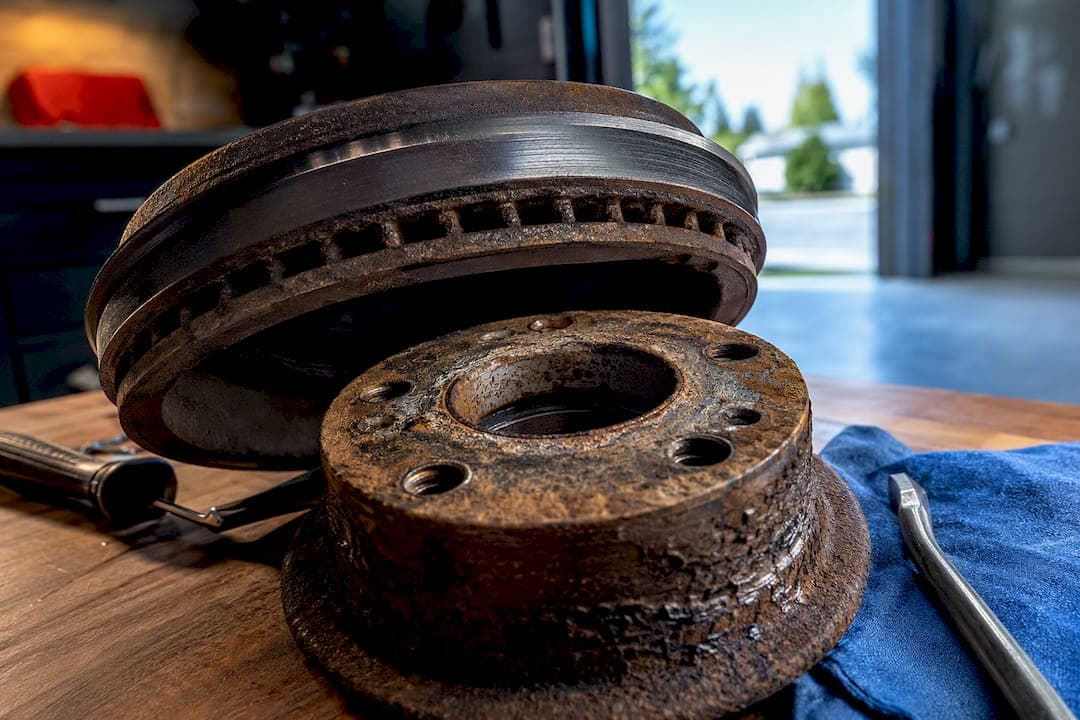
15–30 Minute Soak Frees Stuck Rotors Safely for Canadian DIYers
Safety‑first sequence for Canadian DIYers removing a stuck rotor: start with 15–30 minute penetrant soaks, then try jacking bolts or a puller; use heat...