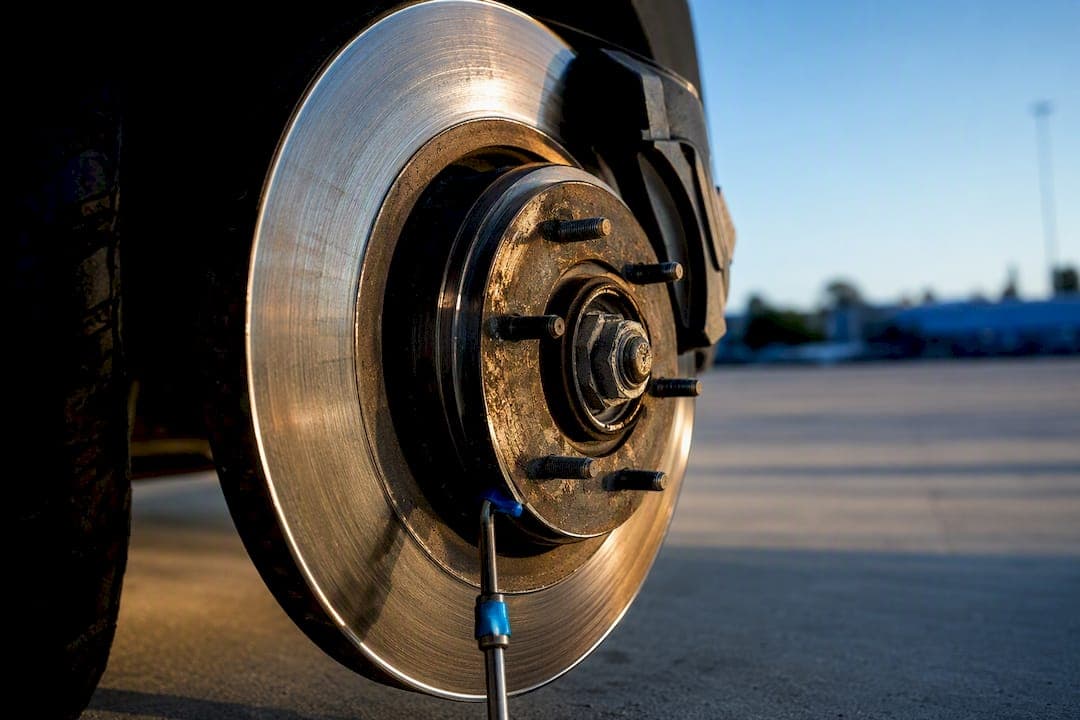
High carbon rotors offer advantages in heat control, warping resistance, and noise dampening compared to standard cast iron. These benefits are particularly notable for drivers who tow, drive aggressively, or carry heavy daily loads. Daily commuters with light-duty habits may experience fewer benefits. The upgrade is especially worthwhile for towing rigs, performance vehicles, and heavy-duty trucks.
TL;DR:
- High carbon rotors significantly improve heat diffusion, thermal stability, and noise damping, especially under heavy loads or aggressive driving conditions.
- Proper pairing with suitable pads, matching vane design, and correct installation procedures are essential to realize the material’s benefits and prevent warping.
- Their advantages are most noticeable in towing, spirited driving, and heavy-duty trucks, with limited benefits for light daily commuters.
- Consistent quality control, documented testing, and proper bedding-in are critical to ensure long-term durability and optimal performance.
- The cost is justified primarily for high-demand applications; budget-conscious drivers with light use may see less advantage.
Table of Contents
- What does 'high carbon' actually mean in a rotor?
- How much better is heat control, warping resistance, and noise?
- Which drivers actually need high carbon rotors?
- How do you choose, pair, and install rotors correctly?
- What does publisher testing show about rotor durability?
- Is the upgrade worth it for your driving?
- Ready to upgrade your rotors?
- Sources
What does 'high carbon' actually mean in a rotor?
Standard brake rotors are typically made from grey cast iron with a certain carbon content along with silicon and trace elements. High carbon rotors increase the carbon content beyond that of standard rotors, depending on the manufacturer's formulation, which changes how the metal behaves under load rather than its appearance.
Carbon acts as a graphite former inside the iron matrix. More graphite flakes mean better thermal conductivity, because graphite moves heat more efficiently than the surrounding iron structure. That same graphite also gives the material more ductility, letting it flex slightly under thermal stress instead of cracking. Manufacturers increase carbon content and pair it with controlled heat treatment specifically to raise crack resistance and reduce distortion over repeated heat cycles.
What separates a well-engineered high carbon rotor from a marketing label is testing. Look for:
- Documented heat-cycle testing that measures dimensional stability after repeated high-temperature exposure.
- Corrosion resistance data, since rotors sit exposed to road salt and moisture between braking events.
- A stated carbon percentage or material spec rather than a vague "premium alloy" claim.
- Evidence of consistent casting quality, since porosity or uneven grain structure undermines the benefit of higher carbon regardless of the percentage on paper.
A rotor's carbon content matters, but it is one variable among several. Casting quality and design still decide how that material performs on the road.
How much better is heat control, warping resistance, and noise?
The carbon content story is really a heat story. Higher carbon content improves heat diffusion through the rotor face, which lowers the peak surface temperature during hard or repeated braking. Lower peak temperatures mean less thermal expansion, and less thermal expansion means less of the warping that shows up as a pulsing brake pedal a few thousand kilometres later.
Cast iron rotor material retains roughly 84% of its room-temperature strength at 500°C, a temperature range a hard mountain descent or a loaded trailer stop can reach in minutes.
That strength retention explains why a rotor that looks identical to a standard part on a parts shelf behaves so differently once it heats up under load.
Noise and vibration are the other half of the equation. High-carbon discs offer improved noise damping, which is why drivers switching from a standard rotor often describe a quieter, less "gritty" pedal feel rather than a dramatic stopping-distance difference. That subjective improvement matters because braking feel is what most owners actually notice day to day.
Longevity claims deserve a caveat. Forum threads and mechanic discussions consistently report longer service life and better heat resistance from high carbon rotors, but almost every thread flags the same two conditions: correct pad matching and proper bedding. Skip either step and the material advantage shrinks fast.
Watch for these signals that a rotor is degrading rather than just wearing normally:
- A pulsing brake pedal under steady, moderate braking.
- Visible blue or discoloured patches on the rotor face, a sign of localized overheating.
- Deep grooves or ridges you can feel with a fingernail across the braking surface.
- A grinding or scraping noise that doesn't go away after cleaning the wheel.
Which drivers actually need high carbon rotors?
Not every vehicle needs the upgrade, and matching the rotor to the driving pattern is the real decision here.
- Towing and hauling. Repeated hard stops with a loaded trailer generate sustained high temperatures that standard rotors struggle to shed quickly. A towing-focused brake setup benefits directly from the improved heat diffusion high carbon iron provides.
- Spirited or canyon driving. Repeated hard braking into corners builds heat faster than the rotor can dissipate it between stops, which is exactly where warp resistance earns its keep.
- Heavy daily loads. Trucks and SUVs regularly carrying passengers or cargo put more stopping demand on every rotor cycle than an empty commuter car.
- Light commuting. A daily driver doing mostly stop-and-go city driving with light loads may not generate enough heat to see a meaningful difference from standard rotors.
Front rotors handle the majority of braking force on most vehicles, so if budget is tight, prioritize the upgrade there first. Some heavier trucks and performance cars still warrant matching rear rotors, so check your vehicle's specific brake bias before mixing material grades front to rear.
How do you choose, pair, and install rotors correctly?
The rotor itself is only part of the equation. Pad compound, venting, and installation technique all decide whether that carbon content actually shows up in real-world performance.
- Match the pad compound to the rotor. A high carbon rotor paired with a low-grade pad won't perform to spec; ceramic or semi-metallic pads rated for the vehicle's use case get the best results.
- Check vane count and vent design. Rotors that don't match OEM venting patterns can trap heat instead of shedding it, undercutting the material benefit entirely.
- Confirm the coating. High-carbon rotors typically ship with a protective coating like e-coating to resist corrosion between installation and first use, which also means less prep work before mounting.
- Follow proper break-in procedure. New pads and rotors need a bedding-in period of moderate, controlled stops to transfer an even layer of pad material onto the rotor face.
Pro Tip: Torque your wheel lugs to the manufacturer's spec in a star pattern, not a circular one. Uneven torque is one of the most common causes of a rotor that warps within the first few hundred kilometres, and it has nothing to do with the rotor's material grade.
A step-by-step brake kit installation guide walks through the bedding and torque sequence in more detail. Between service intervals, removing brake dust safely with a short dwell time also protects the coating and keeps corrosion from creeping in around the hub.
What does publisher testing show about rotor durability?
Material comparison testing backs up the wider technical consensus: cast iron rotor stock retains about 84% of its strength at 500°C, the kind of temperature a hard descent or a loaded trailer stop can produce.
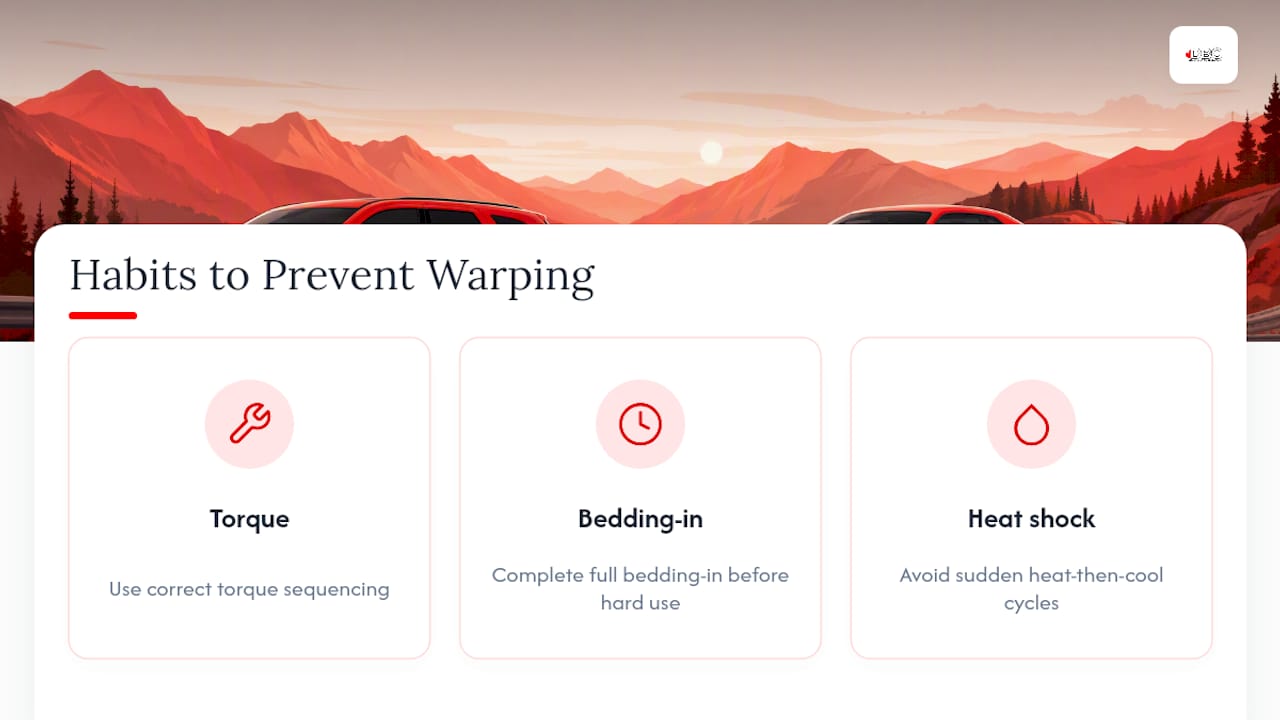
Three technician-vetted habits that prevent rotor warping include correct torque sequencing, a full bedding-in cycle before hard use, and avoiding sudden heat-then-cool cycles like driving through a puddle right after a hard stop.
On the purchasing side, the company lists pricing that includes all costs upfront, support from staff rather than automated replies, and free shipping on orders over $100.
Is the upgrade worth it for your driving?
High carbon rotors earn their price for towing, performance driving, and heavy-duty use, where heat management and warp resistance actually get exercised. For light city commuting, the upgrade is a smaller win. Check fitment carefully and have a qualified installer torque and bed the rotors properly. If you're unsure which kit fits your vehicle, browse compatible options or ask before you buy.
— Sam
Ready to upgrade your rotors?
Cross-drilled rotors are designed specifically to resist the warping that standard cast iron rotors develop under repeated heat cycles, using the same carbon-content and heat-treatment principles covered above. Pricing includes all costs upfront with no hidden fees, and orders over $100 qualify for free shipping.
Support is provided by knowledgeable staff, which matters when you're trying to confirm fitment before you order. If towing, spirited driving, or heavy daily loads describe how you use your vehicle, check the premium brake kit lineup for your make and model, or browse the full brake kit collection to compare cross-drilled and slotted options before you commit.