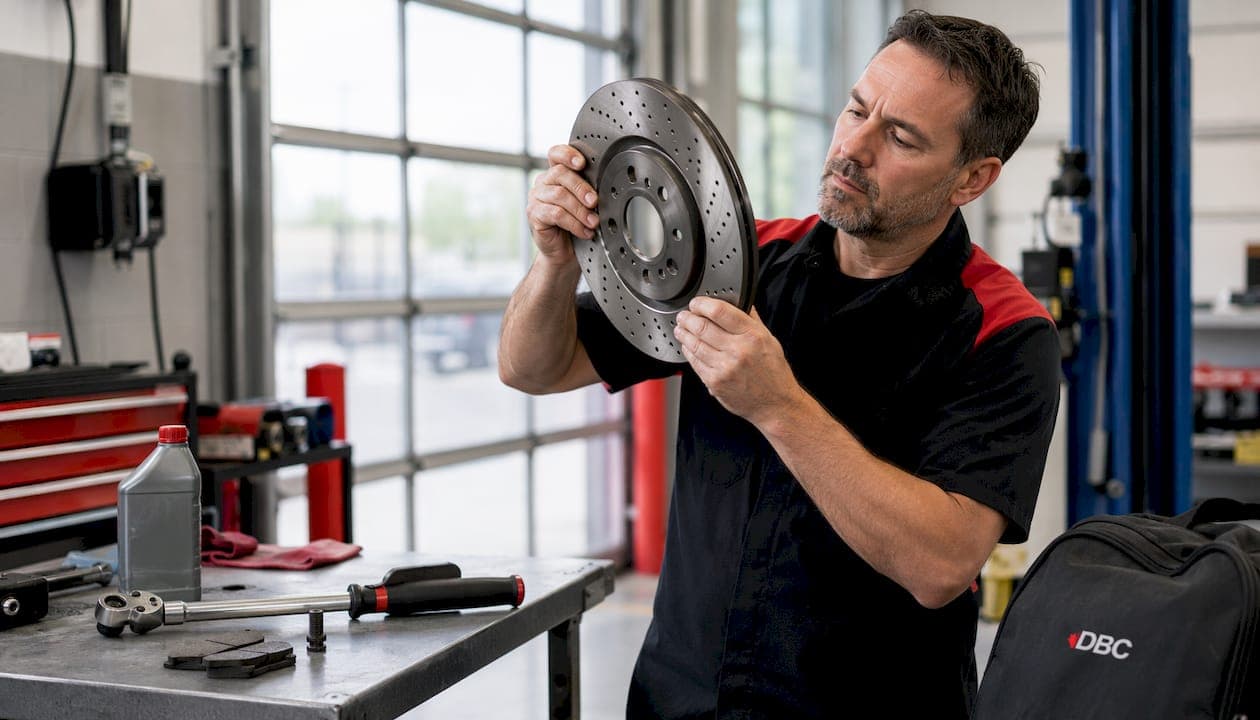
How do Canadian brake rotor suppliers compare?
CrossDrilledRotors.ca is the primary source for engineered cross-drilled rotors built for Canadian vehicles, offering vehicle-specific fitment, transparent pricing, and free shipping on orders over $100. The table below covers the three main product options available from this Canadian supplier.
| Product | Vehicle compatibility | Rotor type | Customer support / warranty / shipping | Best for |
|---|---|---|---|---|
| CrossDrilledRotors.ca - CanadaRotors | Broad range of Canadian vehicle makes and models | Cross-drilled | Free shipping over $100; knowledgeable in-house support; Canadian warranty | Daily drivers and mechanics wanting durable, high-performance kits |
| PONTIAC | Pontiac models; exact-fit design | Cross-drilled | Same shipping and support as main store | Pontiac owners needing a confirmed fitment rotor |
| CATALINA - PONTIAC | Pontiac Catalina; performance-focused | Cross-drilled | Same shipping and support as main store | Drivers prioritising performance braking on Pontiac cars |
CrossDrilledRotors.ca, operating as CanadaRotors, specialises in cross-drilled brake rotors engineered to resist warping and extend service life under Canadian road conditions. The PONTIAC line narrows that focus to Pontiac-specific fitment, while the CATALINA series targets drivers who want performance-oriented stopping power on that platform. All three share the same customer service infrastructure and shipping policy.
What sets Canadian brake rotor products apart?
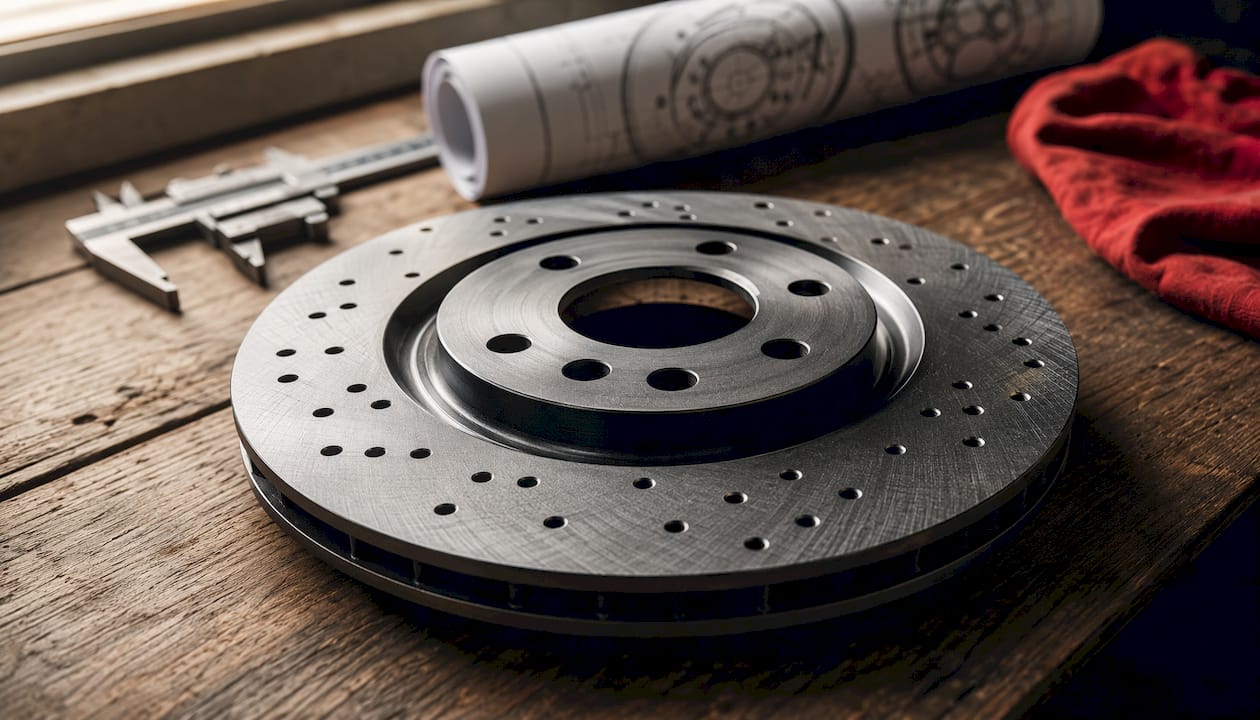
Rotor type is the first real differentiator. Cross-drilled rotors, like those sold through CanadaRotors, channel heat and water away from the braking surface, which matters on wet Canadian roads and during winter driving. Slotted rotors serve a similar purpose but use channels cut into the face rather than holes, making them popular for track use and heavier vehicles. Plain rotors are the baseline option, suited to light daily driving where heat buildup is minimal.
Material quality and manufacturing tolerances determine how long a rotor lasts. Rotors made from high-grade grey iron hold up better under repeated hard stops than lower-grade castings. Checking whether a supplier publishes material specs or certifications is a quick way to separate serious manufacturers from generic importers.

Pricing and shipping policies vary across Canadian suppliers. CanadaRotors publishes pricing directly on the product pages with no hidden fees, and the free shipping threshold of $100 covers most single-axle rotor orders. Return policies and warranty terms should be confirmed before purchase; a supplier that handles warranty claims in Canada avoids the delays that come with cross-border returns.
Key product differences at a glance:
- Cross-drilled rotors reduce heat and moisture buildup at the pad contact surface
- Slotted rotors clear debris and gases, preferred for performance and commercial use
- Plain rotors suit low-stress daily driving with straightforward replacement cycles
- Vehicle-specific lines like the PONTIAC and CATALINA series eliminate guesswork on fitment
For drivers considering high-performance upgrades on premium vehicles, options like a carbon ceramic brake upgrade illustrate how far rotor technology extends beyond the standard aftermarket range.
How do you choose the right brake rotor in Canada?
Start with your vehicle's year, make, model, and trim. A rotor that fits a base Pontiac sedan will not necessarily fit a performance trim with larger callipers. Use the supplier's fitment tool or contact support before ordering.
Next, match the rotor type to how you actually drive. Cross-drilled rotors work well for Canadian drivers who deal with rain, slush, and temperature swings. Slotted rotors suit towing, track days, or heavier SUVs. Plain rotors are a cost-effective choice for low-mileage city driving.
Check brake upgrade compatibility for your specific vehicle before committing to a performance-oriented kit. Upgrading to a larger rotor diameter or a different pad compound without confirming calliper clearance is a common and avoidable mistake.
- Confirm year, make, model, and trim before selecting a rotor
- Match rotor type to driving conditions: cross-drilled for Canadian weather, slotted for performance, plain for light use
- Verify calliper and hub compatibility, not just rotor diameter
- Review warranty terms and confirm the supplier handles returns within Canada
- Check that the supplier offers direct phone or email support, not only automated responses
Pro Tip: Look beyond price and appearance. A rotor's weight and surface finish can indicate casting quality. Lightweight rotors with a rough, uneven finish often come from lower-grade iron and wear faster under repeated hard stops.
What should you know about Canadian brake rotor suppliers?
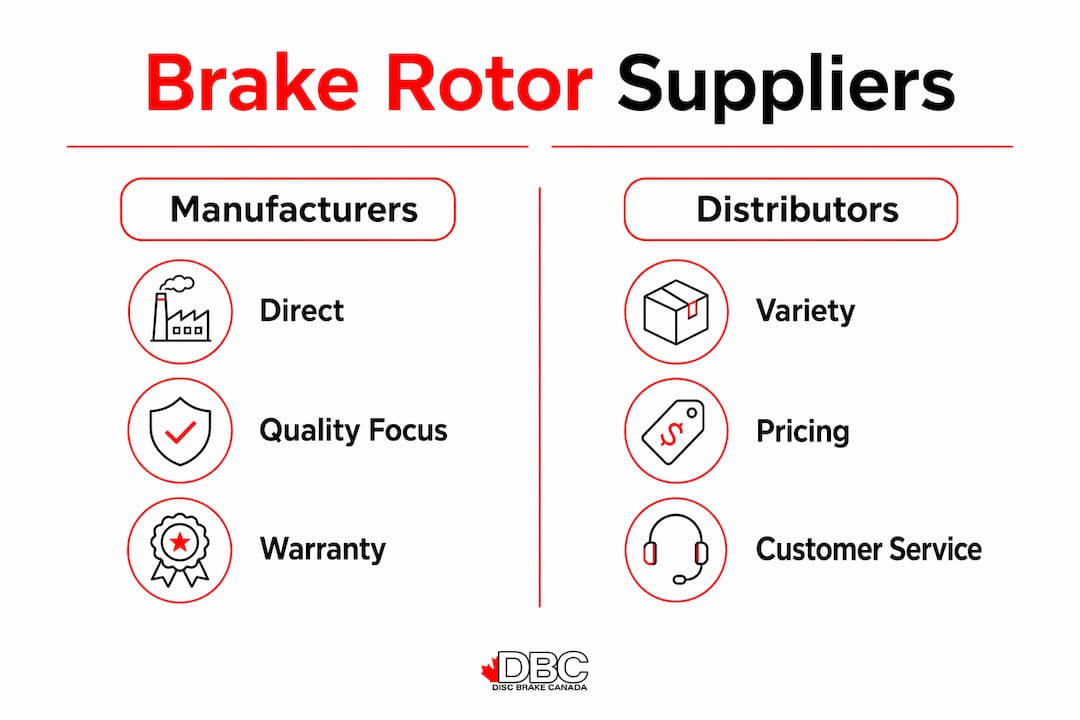
Canadian suppliers fall into three categories: direct manufacturers, aftermarket distributors, and online retailers. Each operates differently in terms of product sourcing, support depth, and return handling.
Direct manufacturers, like DBC Brakes operating through CrossDrilledRotors.ca, produce and sell their own rotors. This means the support team knows the product, warranty claims stay in-house, and pricing reflects actual production costs rather than distributor markups. Aftermarket distributors carry multiple brands and can offer broader vehicle coverage, but warranty handling often routes through a third party. Online retailers without manufacturing ties typically offer the lowest prices but the least technical support.
Customer support quality matters most when something goes wrong. A supplier that offers fitment assistance by phone or email before purchase saves time and prevents wrong orders. Shipping logistics within Canada also vary: some suppliers ship from U.S. warehouses, which can add brokerage fees and delay delivery.
- Direct manufacturers: deepest product knowledge, in-house warranty, Canadian shipping
- Aftermarket distributors: broader vehicle coverage, third-party warranty handling
- Online retailers: lower prices, limited technical support, variable shipping origin
- Confirm whether warranty claims are handled domestically before purchasing
What mistakes should you avoid when buying brake rotors in Canada?
The most common error is confusing automotive brake rotors with aviation rotor components. Searches for "CanadaRotors" or "rotor services Canada" can return results for helicopter maintenance companies, rotorcraft kit suppliers, and industrial rotor manufacturers alongside brake parts retailers. Canadian technical regulations treat automotive brake rotors and aviation rotors as entirely separate categories, and the terminology does not transfer between industries.
A second common mistake is ordering by price alone without confirming fitment. A rotor that costs less but requires shimming or does not seat flush against the hub creates vibration and uneven wear. Always cross-reference the part number against your vehicle's specifications.
Sourcing from non-Canadian suppliers adds risk. Cross-border returns are slower, warranty claims may not be honoured under Canadian consumer protection rules, and brokerage fees can erase any price advantage. Stick to suppliers that ship from Canadian warehouses and publish a clear domestic return policy.
Pro Tip: Before purchasing, search the supplier's name alongside "Canada reviews" on Google or automotive forums like RedFlagDeals. Real buyer feedback on shipping times and warranty handling tells you more than a product description.
Where can you get brake rotors installed in Canada?
Most independent automotive shops across Canada will install aftermarket rotors purchased online. Bring the rotors to the appointment and confirm the shop is comfortable working with cross-drilled or slotted designs, as some technicians prefer to torque and bed-in these rotor types using specific procedures.
Dealerships will install customer-supplied parts in some cases, though many prefer to source parts themselves. For Pontiac vehicles, independent shops with GM experience are the more practical option given that Pontiac production ended in 2010 and dealer support for the brand is limited.
For owners who prefer to do the work themselves, a step-by-step brake kit installation guide covers the process for cars and light trucks, including torque specs and bedding-in procedures for cross-drilled rotors.
DBC Brakes offers a direct Canadian alternative
DBC Brakes manufactures premium cross-drilled brake kits for Canadian drivers, with pricing that includes no hidden fees and free shipping on orders over $100. Support comes from knowledgeable staff, not automated systems, which means fitment questions get real answers before an order ships.
The product range covers daily drivers and performance vehicles, with vehicle-specific lines for Pontiac models including the Catalina series. DBC Brakes is a Canadian manufacturer, so warranty claims and returns stay domestic. For drivers who want a confirmed-fit rotor from a supplier that stands behind the product, DBC Brakes is a direct option worth checking before ordering from a generic aftermarket source.
Key takeaways
CrossDrilledRotors.ca provides vehicle-specific cross-drilled brake rotors for Canadian drivers, with transparent pricing, domestic warranty handling, and free shipping over $100.
| Point | Details |
|---|---|
| Rotor type matters | Match cross-drilled, slotted, or plain rotors to your driving conditions and vehicle use. |
| Fitment verification | Always confirm year, make, model, and trim before ordering to avoid calliper clearance issues. |
| Supplier location | Choose Canadian suppliers to avoid brokerage fees, delays, and cross-border warranty complications. |
| Terminology clarity | Automotive brake rotors and aviation rotor components are separate categories; verify search results accordingly. |
| DBC Brakes option | DBC Brakes offers engineered cross-drilled kits with in-house Canadian support and no hidden fees. |
Sourcing brake rotors locally is worth the extra step
The Canadian aftermarket parts market has enough volume that price-driven buyers often default to the cheapest result on a search page. That approach works fine for consumables with no fitment sensitivity. Brake rotors are not that category.
A rotor that arrives without the correct hat height, hub bore, or bolt pattern creates a safety problem, not just an inconvenience. The cost of a return, a second order, and a rescheduled shop appointment typically exceeds whatever was saved on the original purchase. Canadian suppliers who publish fitment tools and answer pre-sale questions directly remove that risk before money changes hands.
The other point worth making: cross-drilled rotors are not a marketing upgrade for most Canadian drivers. They are a functional response to the conditions. Wet springs, slushy winters, and temperature swings between seasons put more thermal stress on braking surfaces than dry-climate driving does. A rotor designed for those conditions, from a supplier who understands them, is the practical choice.