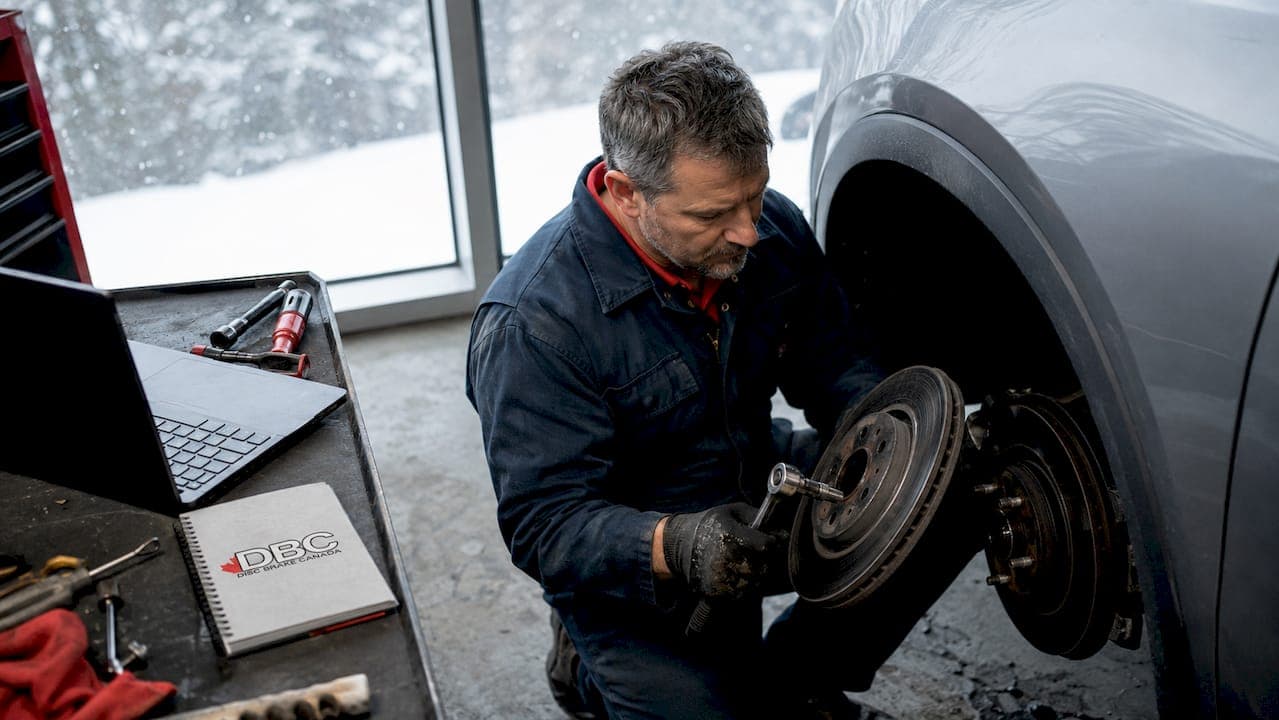
Brake performance in cold weather is defined as the measurable reduction in stopping power, pedal response, and traction control that occurs when temperatures drop below freezing. For Canadian drivers, this is not a seasonal inconvenience. It is a safety issue that affects brake fluid viscosity, caliper hardware, rotor surfaces, and tyre grip all at once. Understanding what is brake performance cold weather means recognising that no single component fails in isolation. The entire braking system is stressed simultaneously, and the interaction between those stresses determines how quickly your vehicle stops.
How does cold temperature affect brake fluid and pedal feel?
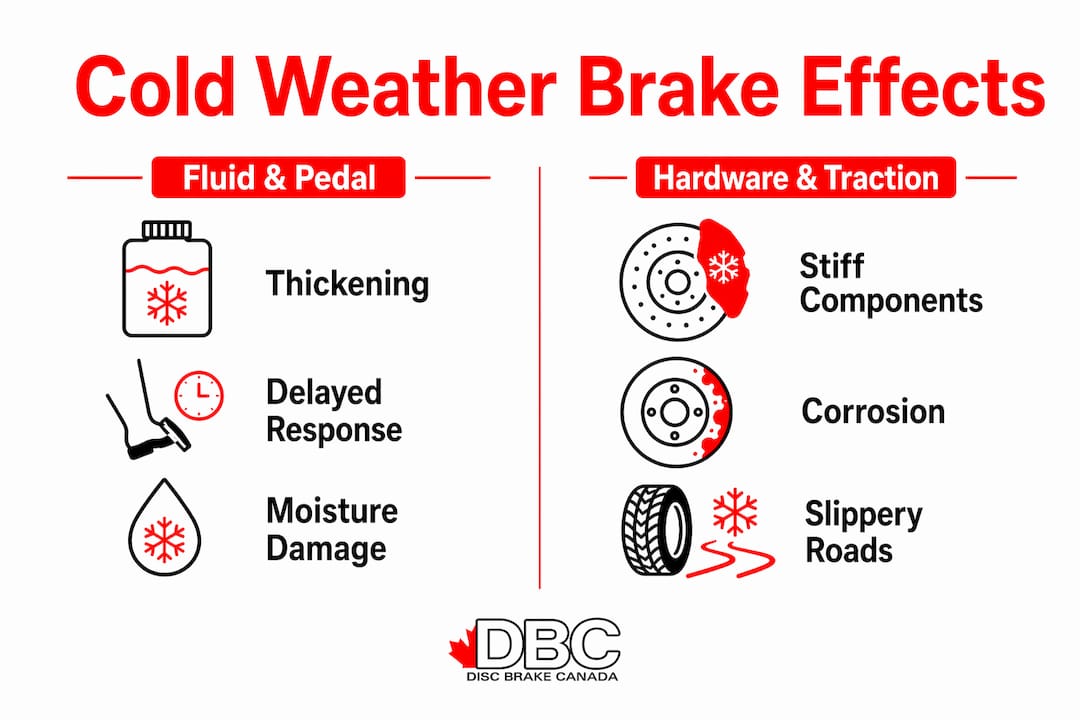
Brake fluid condition is the most overlooked factor in cold weather braking efficiency. Brake fluid absorbs moisture over time through a process called hygroscopic absorption. That moisture lowers the fluid's boiling point and, in cold enough conditions, can partially freeze inside hydraulic lines. The result is a pedal that feels inconsistent, unusually firm, or slow to respond.
Old or moisture-contaminated fluid thickens in cold temperatures, reducing the sensitivity of the entire hydraulic system. A thicker fluid transmits pressure more slowly from the pedal to the caliper. Drivers often describe this as a "wooden" pedal feel during the first few minutes of a cold start.
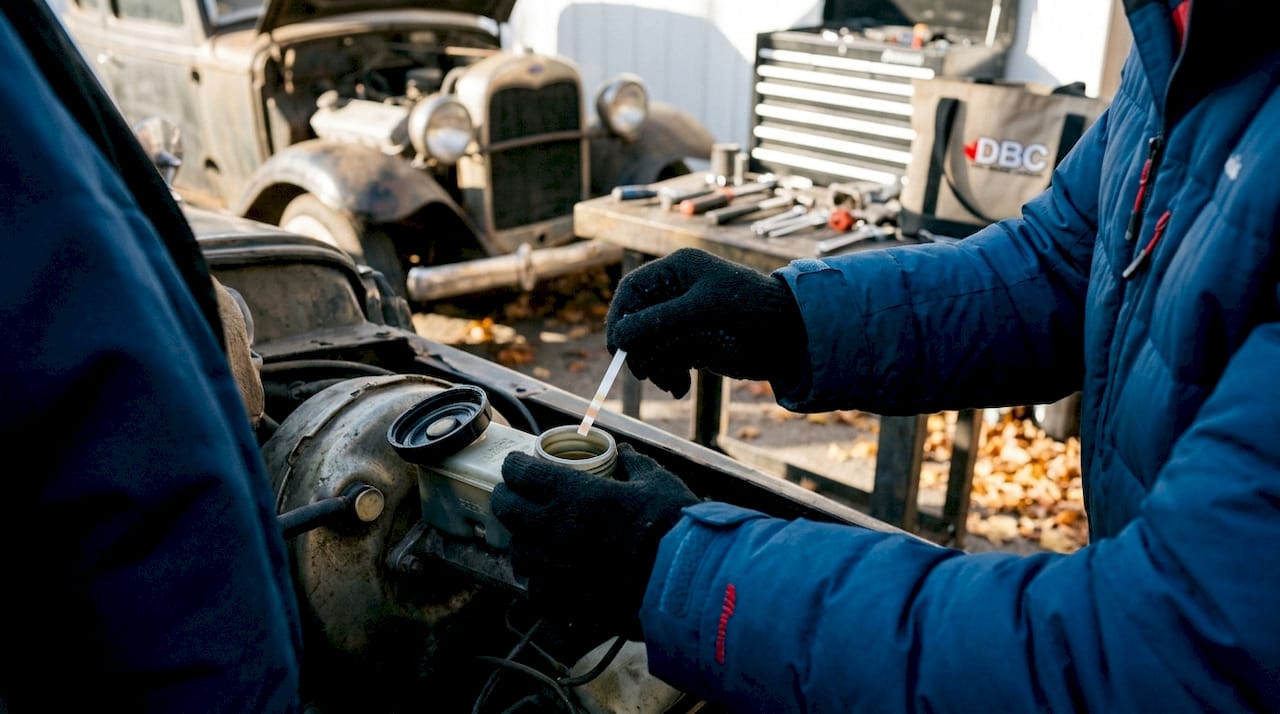
NAPA Canada recommends regular brake fluid system flushes to remove moisture and address unseen leaks that worsen cold braking performance. A flush every two years is a standard interval for most vehicles, though Canadian winters justify checking fluid condition annually before the season starts.
Key signs that brake fluid needs attention:
- Pedal feels spongy or inconsistent in cold starts
- Longer pedal travel before braking engages
- Visible discolouration in the fluid reservoir (dark brown instead of clear or light yellow)
- Brake warning light activating in cold temperatures
Pro Tip: Test your brake fluid with an inexpensive moisture test strip available at most Canadian auto parts stores. If moisture content is high, flush the system before the first hard freeze.
How does cold weather mechanically affect brake hardware?
Cold temperatures cause brake hardware to stiffen before it has a chance to warm up. Seals, hoses, and caliper slide components stiffen in cold conditions, producing a firmer pedal feel and slower caliper response. This is normal behaviour during the first few stops of a cold drive. The system improves as friction generates heat and components return to their operating range.
The more serious concern is corrosion. Salt and moisture from Canadian roads accelerate rust and chemical breakdown on brake hardware. Salt corrosion and moisture freezing can cause caliper slide pins to seize silently during winter, with no obvious warning sound or pedal change. A seized slide pin causes the caliper to apply uneven pressure, which leads to brake drag, premature pad wear, and reduced stopping power on one corner of the vehicle.
Snow and ice accumulation on rotors causes a temporary grinding or scraping sensation during the first few stops after the vehicle has sat overnight. This is surface rust and ice being cleared by the pads. It typically resolves within a few stops, but it is a signal to drive conservatively until the system is fully warmed.
Understanding how the brake caliper works in normal conditions makes it easier to spot when cold weather is degrading its function.
Winter hardware maintenance checklist:
- Inspect caliper slide pins for corrosion and apply high-temperature silicone grease
- Check rubber boots on slide pins and caliper pistons for cracking or tearing
- Examine brake hoses for stiffness, cracking, or swelling
- Look for uneven pad wear, which signals a seized or sluggish caliper
Pro Tip: Mid-winter inspections matter as much as pre-season checks. Slide pin seizure often develops gradually through the season, not all at once.
How does winter road traction affect braking distances?
Traction is the foundation of braking. No brake system can stop a vehicle faster than the tyres can grip the road surface. On winter roads, that grip drops dramatically. Stopping distances on snow can be 3–5 times longer than on dry pavement, and on black ice, stopping distances can reach up to 10 times longer. At 50 km/h, that means roughly 130 metres on black ice compared to approximately 13 metres on dry road.
Winter tyres maintain rubber compound flexibility below 7°C, which is the threshold where all-season and summer tyre compounds begin to harden. A harder tyre contact patch generates less friction. Less friction means longer stopping distances, regardless of how well the brake hardware is functioning.
ABS behaviour also changes in winter. ABS may pulse more frequently and stopping distances can increase on icy surfaces due to tyre grip loss. This is the system working correctly, not malfunctioning. Drivers who have not experienced winter ABS activation sometimes release the pedal in surprise, which is the worst response. Maintain firm, steady pressure and let the system work.
| Road surface | Relative stopping distance vs. dry pavement |
|---|---|
| Dry pavement | Baseline |
| Wet pavement | Approximately 2x longer |
| Packed snow | 3–5x longer |
| Black ice | Up to 10x longer |
Pro Tip: Install winter tyres before temperatures consistently drop below 7°C. Waiting for the first snowfall means driving on hardened all-season rubber during the most unpredictable early-winter conditions.
What are the best winter brake maintenance and driving practices?
Winter brake issues are systemic, involving fluid condition, mechanical stiffness, and tyre-road interaction rather than isolated hardware failure. Addressing only one factor leaves the others unresolved. Effective cold weather brake maintenance covers all three areas.
Maintenance steps to complete before winter:
- Flush brake fluid if it has not been replaced in the past two years or if moisture testing shows contamination.
- Inspect and lubricate caliper slide pins with high-temperature silicone grease. Replace any pins showing pitting or corrosion.
- Check rubber components including caliper boots, hose connections, and master cylinder seals for cracking caused by previous cold seasons.
- Install winter tyres rated for temperatures below 7°C. Confirm tread depth is adequate for the full season.
- Test brake pad thickness and replace pads that are below the minimum thickness before winter driving begins.
For a full overview of preparing brake hardware before the season, a step-by-step installation guide covers what to inspect during a pad and rotor swap.
Driving adjustments matter as much as maintenance. Initial brake stiffness and longer pedal travel improve after several stops as components warm up. Drive conservatively for the first few minutes of any cold start. Increase following distance to account for longer stopping distances. Apply brake pressure firmly and steadily rather than pumping the pedal. When ABS activates, hold pressure and steer.
Pro Tip: A winter car care checklist that covers brakes, wipers, and fluid levels together saves time and reduces the chance of missing a critical item before the season starts.
Key takeaways
Cold weather brake performance depends equally on fluid condition, hardware integrity, and tyre traction, and all three must be addressed together for safe winter stopping.
| Point | Details |
|---|---|
| Brake fluid thickens in cold | Moisture-contaminated fluid slows pedal response; flush annually before winter. |
| Hardware stiffens at cold start | Caliper seals and slide pins stiffen until warmed; drive conservatively for the first few stops. |
| Stopping distances increase sharply | Black ice can extend stopping distances up to 10 times compared to dry pavement. |
| Winter tyres are a braking component | Rubber flexibility below 7°C directly determines how much grip the brake system has to work with. |
| Slide pin seizure is silent | Corrosion-caused seizure shows no obvious symptoms; mid-winter inspections are required. |
What I have learned about winter brakes after years on Canadian roads
Most drivers treat winter brake problems as a hardware issue. They replace pads, check rotors, and call it done. What I have found is that the tyre is the most underrated part of the braking system, and it is the one that gets ignored most often.
A vehicle with fresh pads and clean rotors but worn all-season tyres will stop worse in january than the same vehicle with older pads and proper winter tyres. The brake hardware can only use the friction the tyre provides. When that friction is low, no amount of brake quality closes the gap.
The other thing I see consistently is drivers who are caught off guard by ABS activation on ice. They feel the pedal pulse and lift off. That instinct costs stopping distance. The correct response is to hold firm pressure and steer. ABS is designed for exactly that situation, and it works best when the driver does not interfere.
Early season checks are not optional in Canada. The combination of road salt, freeze-thaw cycles, and extended cold periods creates conditions that degrade brake hardware faster than most drivers expect. A pre-season inspection in october or early november, before the first hard freeze, is the most cost-effective brake maintenance decision you can make.
The brake performance metrics that matter in winter are stopping distance and pedal consistency, not just pad thickness. Keep both in view.
— Sam
Quality brake components for Canadian winters
Cold weather puts more stress on brake hardware than any other season. Drivers who invest in quality rotors and pads before winter see a measurable difference in pedal feel and stopping consistency throughout the season.
DBC Brakes is a Canadian brake specialist offering cross-drilled rotors and brake kits built for year-round performance in cold climates. Cross-drilled rotors resist the surface rust and moisture buildup that accelerates in Canadian winters, and DBC Brakes provides knowledgeable support without automated responses. Free shipping applies on orders over $100. Browse the full selection of Canadian brake components to find the right fit for your vehicle before the next cold season.
FAQ
What is brake performance in cold weather?
Brake performance in cold weather is the reduction in stopping power, pedal response, and traction that occurs when temperatures drop below freezing. It results from brake fluid thickening, hardware stiffening, and reduced tyre grip on snow and ice.
Why does my brake pedal feel stiff in the morning?
Cold temperatures cause caliper seals, hoses, and slide pins to stiffen overnight. Pedal feel typically improves after several stops as friction warms the system.
How much longer does it take to stop on ice?
Stopping distances on black ice can be up to 10 times longer than on dry pavement. At 50 km/h, that translates to roughly 130 metres compared to approximately 13 metres on dry road.
Do winter tyres actually improve braking?
Winter tyres maintain rubber flexibility below 7°C, which directly improves grip and reduces stopping distances compared to all-season tyres in cold conditions. The brake hardware can only use the traction the tyre provides.
How often should brake fluid be replaced in Canada?
Annual inspection before winter is recommended for Canadian drivers, with a full flush every two years or sooner if moisture testing shows contamination. Moisture-contaminated fluid thickens in cold and increases the risk of hydraulic line issues.