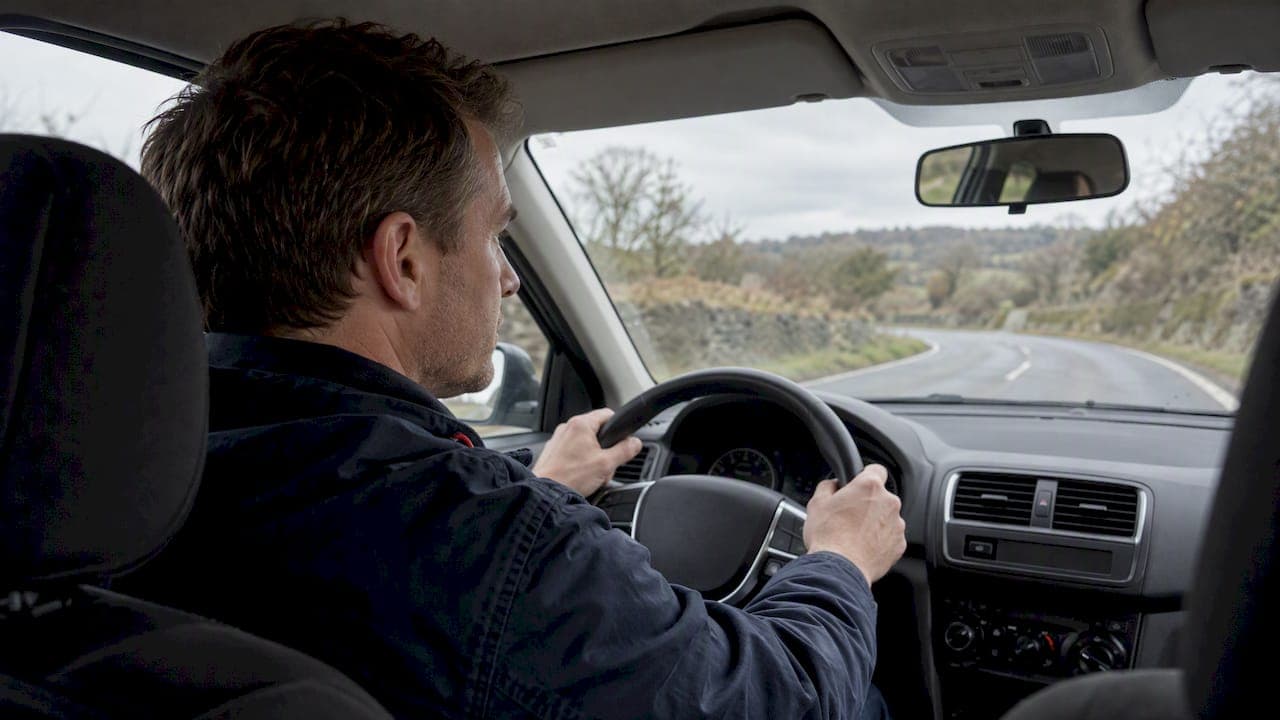
A steady hum or growl that rises with speed points to a wheel bearing. A squeal or grind that only happens when the pedal is pressed points to the brakes. Continuous grinding, a sudden steering pull, or wheel play means stopping the vehicle and getting it inspected, not finishing the trip first. The checklist below sorts out which one applies before a shop visit.
TL;DR:
- A bearing hum stays present while driving, rises with speed, and often grows louder during turns; brake squeal or grinding usually starts only when braking.
- Tire cupping, debris near the rotor, a dragging caliper, and drivetrain noise can imitate bearing symptoms, so compare road sounds with wheel rotation and inspection.
- A safe road test, gentle turns, and braking after coasting help isolate the cause; a raised wheel with play or roughness suggests bearing damage.
- Tow for continuous grinding, sudden worsening, loose steering, or wheel play; if steering and braking remain normal, drive slowly to a shop.
Table of Contents
- Quick checklist: six fast checks to narrow the source now
- How the sounds differ: audible clues and what they mean
- Isolation tests for drivers and techs
- Other causes commonly mistaken for bearings or brakes
- When to stop driving and seek immediate service
- What a technician will check: inspection steps and why they matter
- Technician perspective: common misdiagnoses and how to reduce them
- If you need parts: consider DBC brake kits and wheel bearings
- FAQ
- Sources
Quick checklist: six fast checks to narrow the source now
Run through these checks in order before booking a shop visit. Each one rules something in or out.
- Note exactly when the noise happens: constant while driving, or only when the brake pedal is pressed.
- Check if the pitch changes with speed. A bearing noise usually rises as speed increases.
- Check if the noise gets louder on turns. A loaded bearing often grows noisier under cornering stress.
- Check the steering wheel for vibration, pulling to one side, or looseness.
- On a safe, empty stretch, coast and apply the brakes gently, then firmly, to see if the noise appears only during braking.
- Listen from outside the car while someone else drives it, or record the sound with a phone for playback.
A noise that tracks with speed and turning behaves like a bearing problem. A noise tied strictly to pedal application behaves like a brake problem. AAA's guidance on unusual car noises notes that a continuous grinding noise while driving can point to a wheel-bearing or drivetrain issue and calls for prompt professional inspection.
How the sounds differ: audible clues and what they mean
Wheel bearings and brake components produce distinct sound signatures once you know what to listen for.
A failing wheel bearing typically produces a steady hum, growl, or rumble that rises and falls with vehicle speed. It often gets louder during cornering, because turning shifts weight onto the bearing on one side of the vehicle. A bearing on the outside of a turn carries more load, so the noise frequently intensifies when turning toward the opposite side. This speed-linked, turn-sensitive behaviour is the clearest signature of a bearing problem.
Brake pad and rotor issues sound different. A high-pitched squeal or screech when the pedal is applied is the classic sign of worn pads reaching their built-in wear indicator. AAA explains that this wear indicator creates a high-pitched alert specifically to warn drivers before metal-on-metal contact begins. If that warning is ignored, the sound escalates to grinding, caused by the pad backing plate contacting the rotor directly, and this grinding happens only during braking events, not while coasting or cruising.
Glazed pads or contaminated rotor surfaces can also cause squeal. AAA's roundup of noises worth attention points out that squealing while braking can come from contaminants between the pad and rotor, not just wear, and that occasional squeal in wet conditions is normal. Persistent squeal on dry roads is the signal worth acting on.
A simple way to hold these apart: a low, steady hum that rises with speed and gets louder on one turn usually means a bearing. A sudden screech that appears the instant the pedal is pressed, and disappears the instant it is released, usually means brakes. Readers who confirm a brake-side sound can check what grinding noise typically means for a braking system for more detail on pad and rotor wear patterns.

Isolation tests for drivers and techs
These tests separate the two systems with a reasonable degree of confidence, using nothing more than a safe road and a jack.
- Road test: drive through a range of speeds on a quiet road, noting whether the noise is present at low speed, climbs with speed, or stays flat.
- Turn-steer test: make a few gentle left turns, then a few gentle right turns, noting which direction makes the noise louder. A bearing noise generally grows louder when the damaged side carries more load during a turn.
- Brake-only test: coast at low speed with your foot off the pedal, then apply the brakes gently, then firmly. If the noise appears only during pedal application, the brakes are the likely source.
- Jack-and-spin test: support the vehicle safely on a jack stand, check for play by rocking the wheel at the top and bottom, then spin the wheel by hand while listening and feeling for roughness through the hub.
- Visual inspection: look for rotor scoring, measure pad thickness, check for stones or debris lodged near the caliper, and confirm the caliper slides freely on its pins.
Pro Tip: if the noise seems to come from one corner, swap the front wheels side to side or repeat the jack-and-spin test on the opposite corner. Vibration can travel through the suspension and mislead you about which side is actually faulty.
A wheel with excess play when rocked, or a hub that feels rough when spun by hand, points to a bearing. A rotor with visible grooves, pads worn past the wear indicator, or a caliper that resists sliding points to the braking system. Running the same test twice, on both corners, confirms which side is doing the work.

Other causes commonly mistaken for bearings or brakes
A few lookalike causes send people down the wrong repair path.
- Tire cupping or uneven wear produces a hum that can mimic a bearing. Check it by noting whether the pitch changes when the vehicle is lifted and the tire is rotated by hand versus when it is on the road.
- A stone or piece of debris wedged against the rotor or inside the caliper creates an intermittent clicking or rubbing noise that comes and goes with wheel rotation.
- A sticking caliper or dragging pad produces a continuous rubbing noise even when the brake pedal is untouched, unlike normal brake wear which only makes noise during a braking event.
- Drivetrain or differential noise can mimic a front bearing hum, but it usually tracks with the vehicle's centreline rather than changing specifically with one wheel's load during a turn.
When to stop driving and seek immediate service
Some signs call for stopping the vehicle rather than finishing the drive.
Stop and arrange a tow if you hear continuous grinding metal-on-metal contact, if the noise suddenly gets much louder, if the steering feels loose, or if a wheel has detectable play when checked. AAA's guidance on failing brakes lists grinding noises, longer stopping distances, and a spongy pedal among the signs that mean the braking system needs inspection before further driving.
If an ABS or brake warning light comes on, have the vehicle inspected without delay. When the noise is present but mild and the vehicle still steers and stops normally, driving slowly and directly to a shop is reasonable. When steering feels unstable or a wheel shows play, towing is the safer choice over risking a wheel separating from the hub while underway. For a sense of how often these checks should happen before a noise ever starts, routine brake inspection guidance is worth a look.
What a technician will check: inspection steps and why they matter
A technician working through a bearing or brake complaint follows a short, repeatable sequence. For the bearing, that means measuring wheel-end play with the wheel off the ground, spinning the wheel on the hub while listening for roughness, and checking the hub seal and grease condition for contamination. For the brakes, that means measuring remaining pad thickness, inspecting the rotor surface for grooves or runout, and confirming the caliper slides freely on its pins rather than binding.
Cornering load explains why a bearing hum often sounds louder on one specific turn: the outside bearing in a turn carries more of the vehicle's weight, so a damaged bearing on that side produces more noise under that load. Readers comparing pad wear symptoms against this bearing behaviour can check how brake pad wear shows up before failure for a side-by-side sense of the two symptom sets.
Technician perspective: common misdiagnoses and how to reduce them
Braking events create a kind of confirmation bias. A driver hears a noise while slowing down and assumes the brakes caused it, even when the noise was present the whole drive and only became noticeable during the quiet moment of braking. Shops that follow a reproducible test sequence, road test, turn-steer check, jack-and-spin, rather than relying on a single braking event, avoid replacing a part that was never the problem. Insist on seeing those steps performed if a diagnosis feels rushed. A wrong guess here is not a small cost: a wheel bearing left in place too long can damage a hub, and a wrongly replaced brake part solves nothing if the real noise was coming from the other system.
— Sam
If you need parts: consider DBC brake kits and wheel bearings
Once a technician confirms what needs replacing, DBC Brakes offers the parts to do it. We offer brake kits with cross-drilled rotors designed to resist warping and withstand repeated heat cycling, and every kit ships with guaranteed fitment to ensure the right fit at checkout. Pricing is inclusive with no hidden fees, and orders over a certain amount ship free within Canada, supported by knowledgeable customer service representatives.
- Complete brake kits across the Performance XDB, Premium Black Kote, and Performance SS lines.
- Individual brake rotors and brake pads for drivers replacing one component at a time.
- Wheel bearings and hubs for the cases where the isolation tests point to the hub rather than the brakes.
Confirm the diagnosis with a technician, check fitment against your vehicle's specifications, and browse our blog for installation notes before placing an order.
FAQ
Can a bad wheel bearing sound like bad brakes?
Yes. A worn bearing can produce a grinding or growling sound that gets confused with worn brake pads, especially at steady highway speeds. The key difference is that bearing noise is present throughout the drive and changes with speed and turning, while brake noise appears specifically when the pedal is applied.
What can be mistaken for wheel bearing noise?
Tire cupping, a sticking caliper that drags continuously, and drivetrain or differential noise can all mimic a wheel bearing hum. A jack-and-spin check combined with a tire rotation test usually separates these from an actual bearing fault.
Can I still drive with a wheel bearing noise?
Driving short distances carefully may be possible if the noise is mild and there's no steering looseness or wheel play. AAA warns that continuous grinding while driving is a critical warning sign that calls for prompt professional inspection rather than continued driving.
What are the early signs of a bad wheel bearing?
Early signs include a faint hum or rumble that grows louder with speed, slight steering vibration, and a noise that intensifies during turns as the damaged bearing takes on more load. Catching these signs early, before grinding or play develops, allows for a simpler repair.