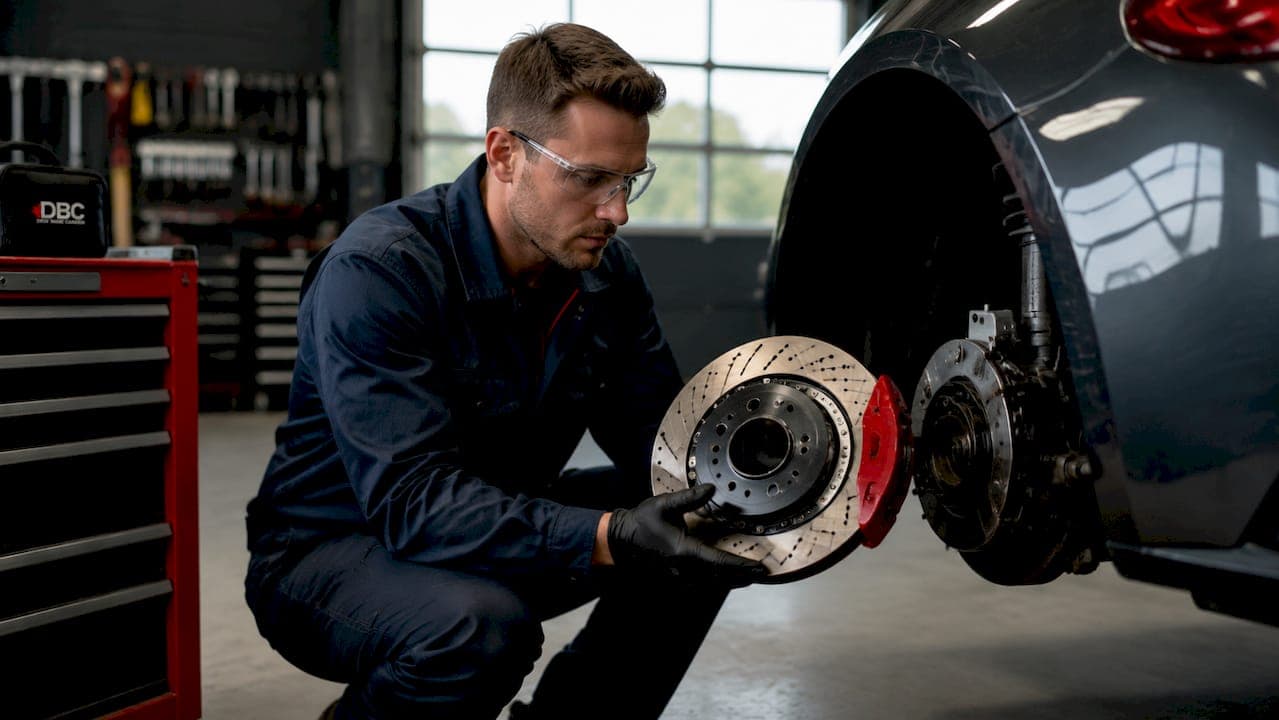
Brake bedding is defined as the process of thermally and mechanically conditioning new brake pads and rotors to form a stable friction transfer layer at their interface. Without this process, braking performance drops 12–18% and initial pad contact covers only 50–60% of the rotor surface. That gap in contact area produces unpredictable stopping distances and uneven wear from the first drive. Understanding why performance brakes need bedding is the foundation of safe, consistent braking. ECE R90 certification standards incorporate simulated bedding in performance testing, which means proper bedding aligns your brakes to the parameters they were certified against.
Why performance brakes need bedding
Brakes do not work pad-to-metal. They work pad-to-transfer layer, a microscopic film of friction material deposited onto the rotor face during the bedding process. Without that layer, the pad contacts bare metal unevenly, and friction output varies with every stop. The result is a brake system that feels inconsistent and degrades faster than it should.
The transfer layer also stabilises friction chemistry. Once it forms uniformly, the coefficient of friction stays predictable across a wide temperature range. That consistency is what gives you a firm, repeatable pedal feel whether you are braking from 80 km/h on a highway or scrubbing speed on a track straight.
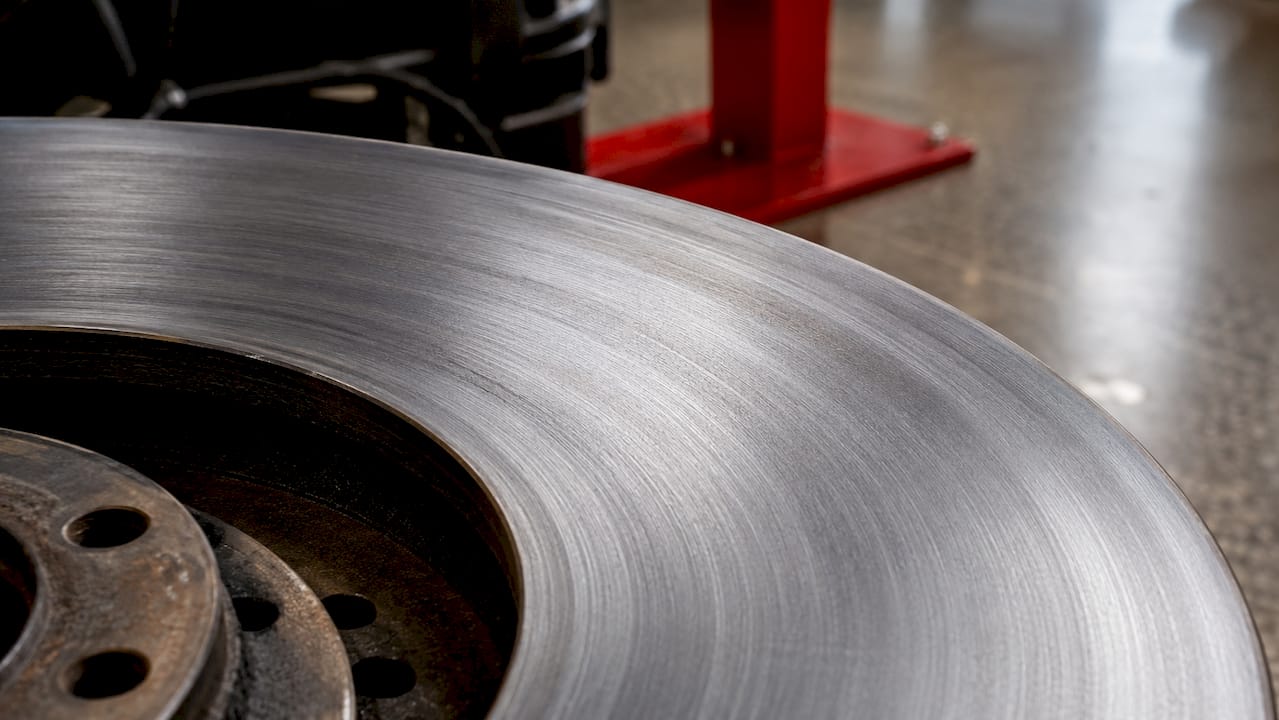
Bedding is not just a mechanical wear-in. Bedding is a thermodynamic process that conditions the entire heat management system, including the rotor surface, caliper function, hub cleanliness, and brake fluid quality. Every component in the system needs to reach and stabilise at operating temperature before the brakes perform to their rated specification.
What happens during the brake bedding process?
New brake pads and rotors have microscopic surface irregularities. These peaks and valleys limit the actual contact area between pad and rotor to well below the nominal surface area. Heat generated during the first controlled stops softens the pad compound, which causes friction material to transfer onto the rotor in a thin, even film.
The role of heat in transfer layer formation
Transfer layer formation depends on precise thermal windows. Too little heat prevents the pad compound from softening enough to transfer. Too much heat damages the resin binders in the pad, leaving a glazed, hard surface that repels further transfer. The goal is to build heat gradually through repeated moderate stops, allowing the layer to build evenly across the full rotor face.
The table below shows how friction coefficient stability changes before and after proper bedding.
| Condition | Friction coefficient | Contact area | Pedal feel |
|---|---|---|---|
| New, unbedded brakes | Variable, unstable | 50–60% of nominal | Soft, inconsistent |
| Properly bedded brakes | Stable, predictable | Near full nominal area | Firm, repeatable |
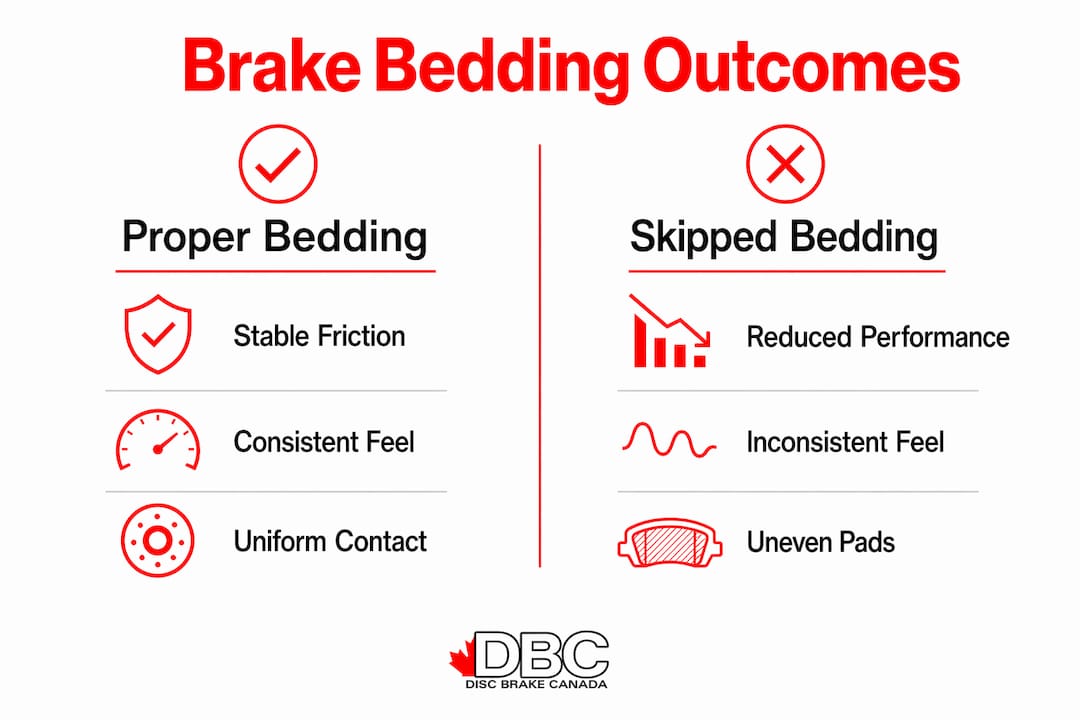
Once the transfer layer is complete, the rotor surface takes on a uniform grey appearance. That grey film is the target. It confirms the layer has formed evenly and the brakes are ready for normal use.
Pro Tip: After each heat cycle during bedding, allow the brakes to cool completely before the next cycle. Stopping the vehicle while the rotors are still at peak temperature locks uneven pad deposits onto the surface, which causes the pulsation that drivers often mistake for a warped rotor.
Why do performance brakes specifically require bedding?
Standard passenger car brakes operate within a moderate temperature range and use relatively forgiving friction compounds. Performance brakes are a different system entirely. They generate far higher thermal loads, use advanced friction compounds, and are expected to perform consistently under conditions that would destroy a standard setup.
Performance brake compounds require precise temperature conditioning to develop their rated friction characteristics. These compounds are formulated to work within specific thermal windows, and they will not reach their full friction potential until they have been cycled through those temperatures in a controlled way. Skipping bedding with a performance setup does not just reduce efficiency. It prevents the compound from ever reaching its designed performance level.
The risks at high temperatures are also more severe. Thermal spikes above 500°C cause permanent rotor surface damage known as blue spotting, a form of localised hardness change that no amount of further braking can reverse. This is a consequence specific to performance driving conditions, not typical street use.
Key characteristics that make performance brakes uniquely dependent on proper bedding:
- Higher operating temperatures that demand gradual thermal conditioning to avoid rotor damage
- Advanced friction compounds formulated for specific thermal windows that must be reached progressively
- Tighter friction tolerances where even small inconsistencies in the transfer layer produce noticeable pedal variation
- Greater thermal mass in cross-drilled and slotted rotors, such as those in the DBC Brakes range, which require full heat saturation before the system stabilises
- Increased sensitivity to glazing, since high-performance compounds glaze more readily when overheated before the transfer layer forms
Pro Tip: Always check the friction compound specifications for your pads before bedding. Some high-performance compounds require two or three full heat cycles before the transfer layer stabilises. Rushing the process with a single cycle leaves the system only partially conditioned.
How to bed performance brakes properly
The performance brake bedding process steps follow a clear sequence. Deviating from that sequence is where most problems begin. The procedure below applies to street performance setups and light track use. Dedicated race applications may require compound-specific protocols from the pad manufacturer.
-
Install and torque correctly. Fit new pads and rotors together. Using new pads on used rotors without machining the rotor surface extends bedding time and risks severe judder from friction compound incompatibility. A clean, fresh surface on both components is the starting point. For a full walkthrough of fitting, the brake kit installation guide covers each step in detail.
-
Perform light initial stops. From approximately 50 km/h, apply moderate brake pressure to bring the vehicle to around 10 km/h. Do not stop completely. Repeat this 6–8 times with a 30-second gap between each stop to allow partial cooling.
-
Build heat progressively. From approximately 80 km/h, apply firm but not aggressive brake pressure down to around 15 km/h. Repeat 6–8 times. You may notice a slight smell or light smoke. This is normal as the resin in the pad compound cures.
-
Never stop on a hot rotor. After each heat cycle, keep the vehicle rolling slowly. Stopping completely while the rotor is at peak temperature deposits a concentrated patch of pad material onto one spot. That spot becomes a high-friction zone that causes pedal pulsation on every subsequent stop.
-
Allow a full cool-down. After completing the heat cycles, drive at low speed without braking for 5–10 minutes. This allows the rotors to shed heat evenly. Avoid parking immediately after a hot cycle, as heat soak into the caliper can boil brake fluid.
-
Inspect the rotor surface. After cooling, check the rotor face for a uniform grey film. Patchy or streaky deposits indicate incomplete bedding. Repeat the heat cycles if the surface is uneven.
-
Complete a second bedding session. For performance compounds, a second full session after the first cool-down builds a more complete transfer layer. Many high-performance brake compounds require this second pass to reach full friction stability.
Aggressive, full-force braking on cold components causes thermal shock that cracks rotors and degrades braking from the start. The entire point of the bedding sequence is controlled heat buildup, not maximum deceleration.
What happens if you skip the bedding process?
Skipping bedding does not just delay peak performance. It causes damage that cannot be undone through normal use. The consequences range from reduced stopping power to permanent component failure.
The most immediate effect is a 12–18% reduction in braking performance and an inconsistent pedal feel that varies from stop to stop. Without a uniform transfer layer, friction output depends on which part of the pad happens to contact the rotor at any given moment.
Uneven pad deposits cause the "warped rotor" sensation that drivers frequently report. The rotor is rarely actually warped. The pulsation comes from uneven patches of pad material locked onto the rotor surface, creating high and low friction zones that the driver feels through the pedal on every stop. This condition does not resolve itself. It worsens with use.
The table below contrasts the outcomes of properly bedded brakes versus improperly bedded brakes.
| Outcome | Properly bedded | Improperly bedded |
|---|---|---|
| Friction consistency | Stable across temperature range | Variable, stop-to-stop |
| Pedal feel | Firm and repeatable | Soft or pulsating |
| Rotor surface | Uniform grey transfer film | Patchy deposits or glazing |
| Noise and vibration | Minimal | Increased squeal and judder |
| Component lifespan | Full rated service life | Reduced, premature wear |
Thermal damage from skipped bedding is permanent. Blue spotting and glazing cannot be reversed by braking harder. The only remedy is replacing the affected components and starting the bedding process correctly from the beginning.
Key takeaways
Proper brake bedding is the single most important step after installing performance brakes, directly determining friction stability, pedal feel, and component lifespan.
| Point | Details |
|---|---|
| Bedding forms the transfer layer | Brakes work pad-to-transfer layer, not pad-to-metal; skipping bedding leaves this layer absent. |
| Performance compounds need heat cycling | Advanced friction compounds only reach rated performance after controlled thermal conditioning. |
| Skipping bedding causes permanent damage | Blue spotting, glazing, and uneven deposits cannot be reversed through normal use. |
| Controlled stops prevent thermal shock | Gradual heat buildup protects rotors; aggressive cold braking cracks and degrades them. |
| Inspect the rotor after bedding | A uniform grey film across the rotor face confirms the transfer layer has formed correctly. |
Bedding is the part most enthusiasts get wrong
Most brake problems I see traced back to one moment: the first hard stop on a fresh set of pads. The driver installs quality components, pulls out of the driveway, and immediately tests them with a firm application. That single stop can set the system back before it has had any chance to condition.
The misconception is that bedding is just "breaking in" the brakes, the way you might run a new engine gently for the first few hundred kilometres. Bedding is more specific than that. It is a thermodynamic conditioning sequence with a defined outcome: a uniform friction transfer layer across the full rotor face. If the sequence is not followed, that outcome does not happen by accident over time. The system simply operates in a degraded state.
The other mistake I see regularly is using new pads on old rotors without resurfacing. The existing transfer layer from the previous pads fights the new compound. The result is judder, noise, and a bedding process that never fully completes. Fresh rotors with fresh pads, every time.
Bedding is also not a one-time event for performance drivers. After any track session that generates sustained high heat, a re-bedding sequence on the street helps re-establish the transfer layer. Treat it as part of the maintenance routine, not a one-off installation step. For drivers who want to understand the full picture of what their brake compounds are doing under load, the performance brake value guide is worth reading alongside this process.
— Sam
Performance brake kits and expert guidance from DBC Brakes
DBC Brakes is a Canadian manufacturer specialising in performance brake systems for daily drivers and enthusiasts. Their cross-drilled rotor kits are engineered to resist warping and handle the thermal demands that make proper bedding both possible and necessary.

Drivers upgrading to a performance setup, whether for a Ford, Chevrolet, or a dedicated track car like a Ferrari 458 brake upgrade, benefit from components designed with thermal management built in. DBC Brakes provides knowledgeable support without automated responses, so you get direct answers on bedding procedures, compound selection, and fitment. Free shipping applies to orders over $100. Browse the full range of performance brake kits at CrossDrilledRotors.ca and contact the team directly for fitment advice.
FAQ
What is the brake bedding process?
Brake bedding is the controlled process of heating new pads and rotors through repeated moderate stops to deposit a uniform friction transfer layer onto the rotor surface. Without this layer, brakes operate at reduced efficiency and produce inconsistent pedal feel.
How long does the bedding process take?
A standard bedding sequence involves two sets of 6–8 controlled stops with full cool-down periods between each set. The entire process typically takes 30–45 minutes of driving on a quiet road or circuit.
Can you skip bedding on street performance brakes?
Skipping bedding reduces braking performance by 12–18% and risks permanent rotor damage including glazing and blue spotting. The process applies to all performance brake setups, not only track use.
Why do bedded brakes feel firmer?
A complete transfer layer creates full pad-to-rotor contact across the nominal surface area. That increased contact area produces a firmer, more consistent pedal compared to the partial contact of an unbedded setup.
What does a properly bedded rotor look like?
A correctly bedded rotor shows a uniform grey film across the full braking surface with no patchy or streaky deposits. Uneven colouring indicates incomplete bedding and requires additional heat cycles.