
A loaded caliper is a pre-assembled brake caliper that ships with brake pads and all required hardware already installed, ready to bolt onto your vehicle. When a caliper is leaking, seized, or badly corroded, a loaded assembly is the practical choice: one part number replaces the caliper, pads, pins, clips, and seals in a single step.
Quick guidance before you buy:
- Choose a loaded caliper when the caliper body itself is failing (leak, stuck piston, torn boot).
- Verify the included pad material (ceramic or semi-metallic) matches your vehicle's OEM spec.
- Check the warranty length before purchase; short warranty terms on budget reman units are a red flag.
- Avoid a loaded assembly when only pads or rotors need replacing; it adds unnecessary cost.
Key takeaways
A loaded caliper is the right choice when the caliper body is failing, provided the included pad compound meets OEM spec and the assembly carries a meaningful warranty.
| Point | Details |
|---|---|
| What a loaded caliper is | A pre-assembled unit with caliper, pads, pins, clips, shims, and seals, ready to bolt on. |
| When to choose one | Use a loaded caliper when the caliper is leaking, seized, or hardware is badly corroded. |
| Check pad material | Verify the friction compound (ceramic or semi-metallic) matches your OEM spec before buying. |
| Warranty signals quality | Short warranties indicate budget reman; longer warranties reflect higher standards. |
| Installation non-negotiables | Torque to OEM spec, lubricate slide pins, flush brake fluid to OEM DOT rating, and bed in pads. |
Table of Contents
- What does a loaded caliper include?
- How a loaded caliper works in the disc brake system
- Loaded vs semi-loaded vs unloaded calipers
- Benefits and trade-offs of using a loaded caliper
- Signs you should replace a caliper
- Installation and fitment: compatibility, bleeding, and torque
- Buying tips for Canadian shoppers
- Why loaded calipers reduce comebacks
- An honest perspective on loaded calipers
- Upgrade your brakes with DBC Brakes
- Sources
What does a loaded caliper include?
A loaded brake caliper arrives as a complete, pre-assembled unit. The typical box contains:
- Caliper body — new or remanufactured housing with piston(s) and seals already installed.
- Brake pads — the friction material that contacts the rotor; compound type (ceramic, semi-metallic, or organic) varies by supplier.
- Mounting bracket — included on many applications; holds the caliper to the knuckle and guides pad movement.
- Slide pins and boots — allow the caliper to float and self-centre on the rotor; worn pins are a leading cause of uneven wear.
- Anti-rattle clips and shims — reduce vibration and noise between the pad and caliper; often the first hardware skipped in a budget rebuild.
- Retaining hardware — springs, bolts, or clips that secure pads in the bracket.
- Seals and dust boots — protect the piston bore from moisture and debris; replacing these with the caliper restores the hydraulic seal.
- Parking-brake components (rear calipers only) — screw-type piston mechanism or cable bracket for vehicles with integrated rear disc parking brakes.
Some suppliers sell semi-loaded units (hardware included, no pads) or unloaded units (bare caliper only). Understanding which type you are buying matters because mismatched hardware from a previous job is a common source of noise and uneven wear. Major retailers list pre-assembled loaded options across a wide range of vehicle applications, so availability in Canada is generally good.
How a loaded caliper works in the disc brake system
A loaded caliper performs the same hydraulic and mechanical job as any disc brake caliper. It just arrives pre-assembled. When the driver presses the brake pedal, hydraulic pressure from the master cylinder pushes the piston outward, clamping the inner pad against the rotor face. On a floating caliper (the most common type on passenger vehicles), the caliper body then slides inward on its pins, pulling the outer pad into contact as well. The rotor is squeezed from both sides, converting kinetic energy into heat.
The hardware included in a loaded assembly directly affects this process. Clean, properly lubricated slide pins let the caliper float freely; seized pins cause the outer pad to drag or wear faster than the inner. Anti-rattle shims dampen the high-frequency vibration that produces brake squeal. Seals and boots keep the piston retracted cleanly when pressure is released, preventing drag. Understanding the role of the brake caliper in stopping makes it clear why every one of these components needs to be in good condition simultaneously.
For rear calipers with integrated parking brakes, the piston uses a screw mechanism rather than pure hydraulic push. A loaded rear caliper includes the correct piston type and any cable hardware, which simplifies fitment considerably.
Loaded vs semi-loaded vs unloaded calipers
Community discussions and workshop sources consistently define the three types as follows:
- Loaded — caliper body, brake pads, mounting bracket (where applicable), pins, clips, shims, and all hardware. Bolt-on ready.
- Semi-loaded — caliper body plus hardware (pins, clips, shims), but no pads. You supply your own friction.
- Unloaded (bare) — caliper body only. All hardware and pads sourced separately.
Forum consensus also notes that "loaded" definitions vary slightly between suppliers; always read the parts listing to confirm what is actually included.
When each type makes sense:
- Loaded: caliper is leaking, seized, or corroded; hardware is damaged; you want a single part number and a fast install.
- Semi-loaded: caliper body is the only failed component; you already have quality pads on hand or prefer a specific friction compound.
- Unloaded: rebuilding a caliper yourself, sourcing OEM pads separately, or working on a specialty application where matched hardware is already available.
The brake caliper types guide covers fixed vs floating designs in more detail for performance applications.
Benefits and trade-offs of using a loaded caliper
Benefits:
- Faster installation: one part number covers caliper, pads, and hardware.
- Matched components: pins, clips, and shims are sized and spec'd for the caliper body, reducing the chance of noise or uneven wear.
- Restores like-new condition: replacing seals, boots, and friction together lowers the risk of leaks and uneven pad contact.
- Fewer comebacks: loaded assemblies help restore brakes to near-new condition by addressing all wear points at once.
Trade-offs:
- Higher upfront cost than buying a bare caliper and reusing existing hardware.
- Included pads from budget reman suppliers may be lower grade than OEM; the safety benefit disappears if the friction compound is substandard.
- Unnecessary if only pads or rotors need attention; replacing a functional caliper adds cost without a reliability gain.
Safety note: Always verify that the included friction material meets your vehicle's OEM specification. Mismatched pad compounds on the same axle can cause braking pull. Proper bleeding after installation is non-negotiable; trapped air in the hydraulic circuit reduces stopping power.
Pro Tip: When buying a loaded caliper, look up the pad compound code on the box and cross-reference it against your OEM spec or a friction database. A ceramic pad in a semi-metallic application (or vice versa) can affect pedal feel and rotor wear.
Signs you should replace a caliper
Replace the caliper (and consider a loaded assembly) when you observe any of the following:
- Hydraulic leak at the caliper body or piston boot — fluid on the inner wheel face or a wet, oily boot indicates a failed seal.
- Torn or cracked dust boot — exposes the piston bore to moisture and road grit, accelerating corrosion.
- Seized or sticking piston — the piston does not retract after brake release; the vehicle pulls to one side or the pad drags on the rotor.
- Uneven pad wear across the same axle — inner pad significantly thinner than outer, or one side worn faster than the other, often points to a sticking pin or piston.
- Persistent brake drag — rotor and hub run hot after driving; fuel consumption increases noticeably.
- Braking pull — vehicle consistently pulls left or right under braking when steering and suspension components are confirmed good.
- Persistent noise after new pads — squeal or grinding that persists after a pad change usually means worn pins, missing clips, or a damaged caliper bore.
- Age and rubber degradation — rubber seals and boots degrade over time regardless of mileage; a caliper on a vehicle over 10 years old with no prior service is worth inspecting closely.
Use a loaded caliper when the caliper body is the confirmed failure point and the mounting hardware is corroded or damaged. If only pads and rotors need replacing, a loaded assembly adds cost without benefit.
Installation and fitment: compatibility, bleeding, and torque
Verify vehicle application, pad material, and whether the bracket and parking-brake hardware are included before unboxing. A loaded caliper ordered for the wrong trim level (e.g., a base model vs a sport trim with a larger rotor) will not fit correctly.
Critical steps after fitment:
- Torque caliper bolts to OEM spec. Under-torqued bolts allow caliper movement; over-torqued bolts can crack the bracket or distort the bore.
- Lubricate slide pins with high-temperature brake grease. Dry pins seize within one or two seasons, especially in Canadian winters where road salt accelerates corrosion.
- Flush brake fluid to OEM DOT rating. Caliper slides and the hydraulic circuit should be serviced with clean fluid that meets the vehicle manufacturer's DOT specification; contaminated fluid lowers the boiling point and can cause fade.
- Bed in new pads. Follow the manufacturer's bedding procedure (typically a series of moderate stops from 60 km/h) to transfer an even friction layer onto the rotor.
- Check rotor thickness and runout. A loaded caliper on a worn or warped rotor will not perform correctly; measure minimum thickness and lateral runout before closing the job.
- Confirm ABS sensor and parking-brake cable clearance on rear applications.
Replace both calipers on the same axle when one is leaking or seized. Mixing a new caliper with a marginal one on the opposite side creates uneven clamping force. For a full step-by-step walkthrough, the DIY brake kit installation guide covers the complete process.
Pro Tip: Bench-bleed the caliper before installation if the supplier recommends it, and always pump the brake pedal several times before moving the vehicle. A firm pedal confirms the hydraulic circuit is sealed.
Buying tips for Canadian shoppers
Before purchasing a loaded brake caliper in Canada, verify:
- Pad friction type — ceramic, semi-metallic, or organic. Match the OEM spec or your preferred upgrade compound.
- Warranty length — reman quality varies widely; warranties range from 30–90 days on budget units to one year or limited lifetime on quality remanufacturers. A labour-inclusive warranty is worth paying for.
- What is actually included — confirm bracket, pins, and parking-brake hardware are in the box for your application.
- Core/exchange terms — most reman calipers require a core return. Understand the deposit amount and return window before ordering.
- Supplier reputation — remanufacturers that follow strict quality processes (equivalent to QS-9000 standards) typically offer longer warranties and parts that match new OEM performance.
On cost: budget reman loaded calipers are available at lower price points, but short warranties and unknown pad compounds are the trade-off. Mid-range and OE-style units cost more upfront and typically carry longer warranties with documented friction specs. For Canadian buyers, confirm the supplier ships to your province and check whether the core return is prepaid or at your expense.
Some shops fit loaded calipers on most jobs for inventory simplicity, even when only pads are needed. That is a shop-efficiency decision, not always a technical one. Knowing this helps you ask the right questions when a shop recommends a loaded assembly. The Canadian brake parts buyer's guide covers additional sourcing considerations for local buyers.
Why loaded calipers reduce comebacks
Technicians report fewer customer comebacks and quieter installs when a complete, matched loaded assembly is used. The reason is straightforward: matched hardware reduces the installation errors that cause noise and uneven wear. Missing anti-rattle clips, worn pins reused from the old caliper, and mismatched shims are the most common sources of post-service noise complaints. A loaded caliper eliminates all three variables at once.
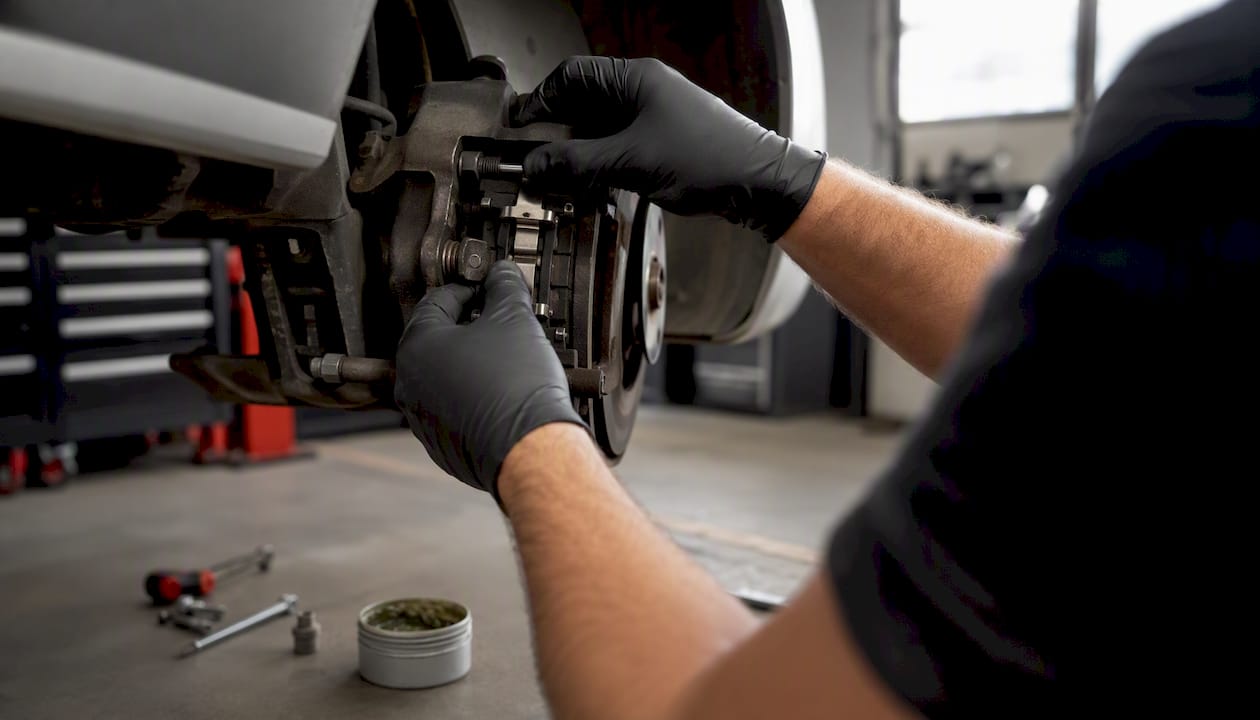
The labour saving per wheel is modest (often around five minutes), so the real operational value is lower callback rates and simpler inventory, not time savings alone. The greater risk is pad quality. If the included friction is lower grade than OEM, the performance and safety gains from a matched assembly are reduced. Remanufacturers that publish their friction specs and back parts with a meaningful warranty are the ones worth buying.
Pro Tip: Ask the supplier for the friction material grade or compound code before ordering. A reputable remanufacturer will provide it. If the answer is vague, that tells you something about the quality standard.
An honest perspective on loaded calipers
There is a tendency in the aftermarket to treat loaded calipers as the default answer for any caliper-related complaint. The convenience is real. One part number, matched hardware, and a faster install are genuine advantages when the caliper body is the confirmed failure point.
The part that gets less attention is pad quality. A loaded assembly from a budget supplier may include pads that meet a minimum friction standard but fall short of OEM performance. In Canadian conditions, where road salt, temperature swings from -30°C to +30°C, and wet braking are routine, pad compound matters more than it does in milder climates. A loaded caliper with substandard pads is not a complete repair.
The right approach: confirm the caliper actually needs replacing (not just the pads), verify the friction spec of the included pads, and choose a supplier whose warranty reflects confidence in their remanufacturing process. DBC Brakes offers premium brake kits with clear fitment support and transparent pricing for Canadian drivers who want to get the repair right the first time.
Upgrade your brakes with DBC Brakes
DBC Brakes supplies premium brake kits engineered for Canadian vehicles, including daily drivers, trucks, and performance builds. Cross-drilled rotors, matched friction, and free shipping on orders over $100 within Canada. No hidden fees, no automated support.
Sources
- Tech Tip: Can Loaded Brake Calipers Boost Productivity?
- Fully Loaded Brake Caliper: Why Some Shops Prefer It — Ricks Free Auto Repair Advice
- Unloaded, Loaded, Semi‑loaded Calipers. What's the difference?!
- Tire Rack