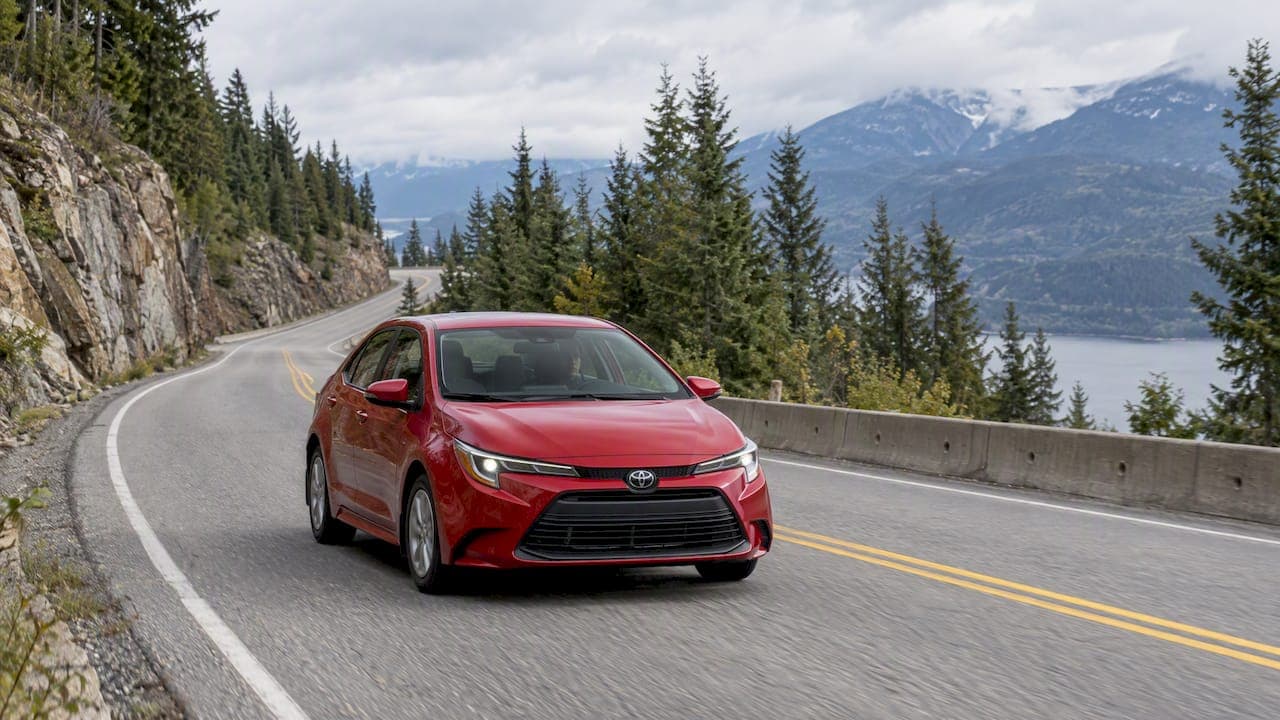
Engine braking supplements your brakes by reducing heat load, but the pedal is still the primary tool for stopping and emergencies. On long descents, a lower gear keeps speed in check and spares the pads and fluid. For full stops, quick speed changes and anything sudden, you use the friction brakes. The safe approach combines both.
TL;DR:
- On long or steep descents, select a lower gear before the slope and use brief, intermittent pedal applications instead of dragging the brakes.
- Use the brake pedal for full stops and emergencies; engine braking cannot provide maximum deceleration, and a light pedal tap can alert following drivers.
- On wet, icy, or gravel roads, downshift gradually after slowing; in manual cars, match engine speed and never slip the clutch to brake.
- Automatic drivers should use the manufacturer’s recommended low gear or engine braking mode, while hybrids and electric vehicles slow mainly through regenerative braking.
Table of Contents
- How does engine braking work?
- What do friction brakes do, and where do they run out?
- When should you use engine braking and when the pedal?
- What are the safety risks of downshifting?
- How does each method affect wear and maintenance?
- How do automatics, diesels and hybrids handle it?
- What is a safe technique for combining both?
- What is our view on technique and hardware?
- Can better brake hardware reduce fade risk?
- FAQ
- Sources
How does engine braking work?
When you lift off the accelerator while in gear, the engine resists the wheels. The throttle closes, the engine pulls against intake vacuum, and compression inside the cylinders absorbs energy. That resistance slows the vehicle without touching the brake pedal. Engine braking uses the retarding forces inside an internal combustion engine to slow a vehicle, and it commonly reduces brake wear.
Most modern fuel-injected cars also use deceleration fuel cut-off. When you lift off in gear, fuel delivery stops and resumes once engine speed drops to a set threshold or you press the accelerator again. So engine braking often burns no fuel at all.
Diesel trucks add stronger tools. Exhaust brakes create backpressure in the exhaust system. Compression-release brakes, commonly called Jake brakes, release the compressed air in the cylinders so the energy is not returned to the piston. Both add heavy braking force, and neither is the same thing as a simple downshift in a car.

What do friction brakes do, and where do they run out?
Friction brakes turn motion into heat. When you press the pedal, hydraulic pressure pushes the pads against the rotors. The friction slows the wheels, and the kinetic energy of the vehicle becomes heat in the pads, rotors and fluid.
That heat is the limit. Long, steady braking on a steep grade raises temperatures until the pads lose grip. This is brake fade. If the brake fluid gets hot enough to boil, vapour in the lines compresses where fluid should not, and pedal pressure no longer reaches the calipers. The Ontario driver's handbook warns that overheated brakes can lose hydraulic pressure and become unreliable or ineffective.
This is also why service brakes are regulated as the main stopping system. Transport Canada's technical standard sets stopping performance requirements and test conditions for service brake systems. Engine braking has no such role. It helps the brakes last, but it does not replace them.

When should you use engine braking and when the pedal?
The handbooks agree on the split. The Ontario handbook calls friction brakes the primary stopping tool for everyday driving and engine braking a supplement for long downhill grades. CAA guidance also treats the two as complementary systems.
Use this as a quick guide:
- Choose engine braking on long or steep descents, so the pads and fluid stay cool.
- Choose it when towing, where the extra weight adds heat quickly.
- Choose the pedal for full stops, red lights and stop-and-go traffic.
- Choose the pedal in any emergency. Engine braking cannot deliver maximum deceleration.
- Combine them: let the engine hold your speed, then apply the pedal for the final stop.
Relying on engine braking alone for a sudden stop is dangerous. Your brake lights also may not come on when the engine is doing the slowing, so drivers behind you get no warning. A light tap on the pedal fixes that.
What are the safety risks of downshifting?
The main risk is traction. Downshifting too aggressively on a wet, icy or gravelled road can break the drive wheels loose. Depending on the layout, that can mean a skid, understeer or oversteer. CAA's winter driving guidance notes that engine braking affects handling on slippery surfaces and calls for gradual, controlled application.
Technique matters. Manitoba's handbook says sudden downshifting, especially on low-traction surfaces, can cause unexpected vehicle behaviour, while smooth gear selection and rev-matching reduce the risk.
A few habits keep it safe:
- Slow first with the brakes, then select the lower gear.
- Never force a gear the transmission refuses. The gearbox is protecting itself.
- In a manual, blip the throttle to match revs as you shift down. This cuts drivetrain shock.
- Do not ride or slip the clutch to create braking. That produces destructive wear.
Engines are built to handle engine braking when it is done correctly within a suitable RPM range. The damage comes from bad technique, not from the method itself.
How does each method affect wear and maintenance?
Used well, engine braking lowers the thermal load on pads, rotors and fluid, and that can extend their life. Less heat means less glazing, less fade and a lower chance of boiling fluid.
The cost can shift to the drivetrain if you get it wrong. Riding the clutch or dropping into a gear without matching revs wears the clutch and stresses the transmission. Rev-matching and correct gear choice avoid most of that.
After a long, heavy descent, inspect the brakes. Look for glazed pads, which have a shiny, hardened surface, and for warped rotors, which show up as pedal pulsation. If the brakes overheated or the pedal went soft, a brake-fluid flush is a sensible step. Our guides on brake fade causes and mountain driving brake care cover pad bed-in and fluid service in more detail. Heavy braking also leaves dust on the wheels, and safe brake dust removal is worth a look once the brakes themselves check out.
How do automatics, diesels and hybrids handle it?
Automatics: Use the manufacturer's low gears or engine-braking modes, usually marked L, 2, 3 or B. Do not try to mimic manual techniques by forcing shifts. Your owner's manual lists what each mode does.
Diesel trucks: Exhaust brakes and Jake brakes add strong braking force on grades. They can be loud, and some areas restrict their use, so watch for posted signs.
Hybrids and EVs: These slow the car mainly through regenerative braking. The motor acts as a generator, captures energy and returns some of it to the battery. It feels similar to engine braking when you lift off, but the mechanism is electrical, and the friction brakes still handle hard stops.
What is a safe technique for combining both?
- Scan ahead and decide early. If a long grade is coming, plan to slow with the engine so the brakes stay cool for the final stop.
- In a manual, select a lower gear before the descent starts, not halfway down. Rev-match as you shift.
- In an automatic, use L or B mode as your manual advises.
- Use short, intermittent pedal applications to hold speed, rather than one long drag on the brakes.
- Tap the pedal so your brake lights warn drivers behind you, since engine braking alone may not light them.
- Keep the equipment ready: check pads, rotors and fluid on a regular schedule.
Pro Tip: After frequent heavy braking, bed in new pads and rotors exactly as the manufacturer directs, and consider a fluid change.
What is our view on technique and hardware?
Technique does most of the work on a long descent, and it costs nothing. But no driving habit makes a tired set of brakes stop like a good one. If your pedal feels spongy after a grade, if the pads glaze often, or if you tow or drive mountains regularly, get the brakes inspected. A technician can tell you whether a kit upgrade makes sense. Our guide to common brake upgrade mistakes is a good place to start before you buy.
— Sam
Can better brake hardware reduce fade risk?
Hardware complements technique. It does not replace it. For drivers who face repeated heat, such as mountain routes, constant towing or track days, we offer brake kits built around cross-drilled rotors engineered to resist warping and last longer. Our pricing is inclusive, with no hidden fees, our support team provides knowledgeable support, and orders over $100 ship free. Browse our Performance XDB, Premium Black Kote and Performance SS lines and find the kit that fits your vehicle.
FAQ
Is it better to use engine braking or brakes?
Neither one replaces the other. Engine braking suits long descents because it lowers brake heat, while the pedal is needed for stops and emergencies. The Ontario driver's handbook treats friction brakes as the primary stopping tool.
What is engine braking and is it illegal?
Engine braking is slowing a vehicle by lifting off the accelerator in gear so the engine resists. Ordinary engine braking is not illegal. Some areas restrict the noisy compression-release brakes on heavy trucks, so check local signs and bylaws.
What is the proper way to brake with engine braking?
Plan ahead, slow with the brakes, then select a lower gear smoothly. In a manual, rev-match and avoid slipping the clutch. Manitoba's driver handbook says smooth gear selection reduces the risk of unexpected behaviour.
Is there a downside to engine braking?
Yes, if it is done badly. Aggressive downshifts on slippery roads can cause skids, and riding the clutch wears it quickly. Engine braking also may not light your brake lights, so tap the pedal to warn drivers behind you.