
Light surface rust on brake rotors is normal and usually clears after a few stops. A thin orange film can form on cast-iron rotors within hours of moisture exposure and disappears once the pads wipe the rotor face during normal driving. That kind of flash rust is not a safety concern.
The rust that demands attention looks and feels different. Watch for these three signs:
- Persistent grinding or scraping that does not clear after 4–5 stops
- Pedal pulsation or shudder felt through the brake pedal or steering wheel
- Pulling to one side under braking
Any one of those means stop driving and get the brakes inspected.
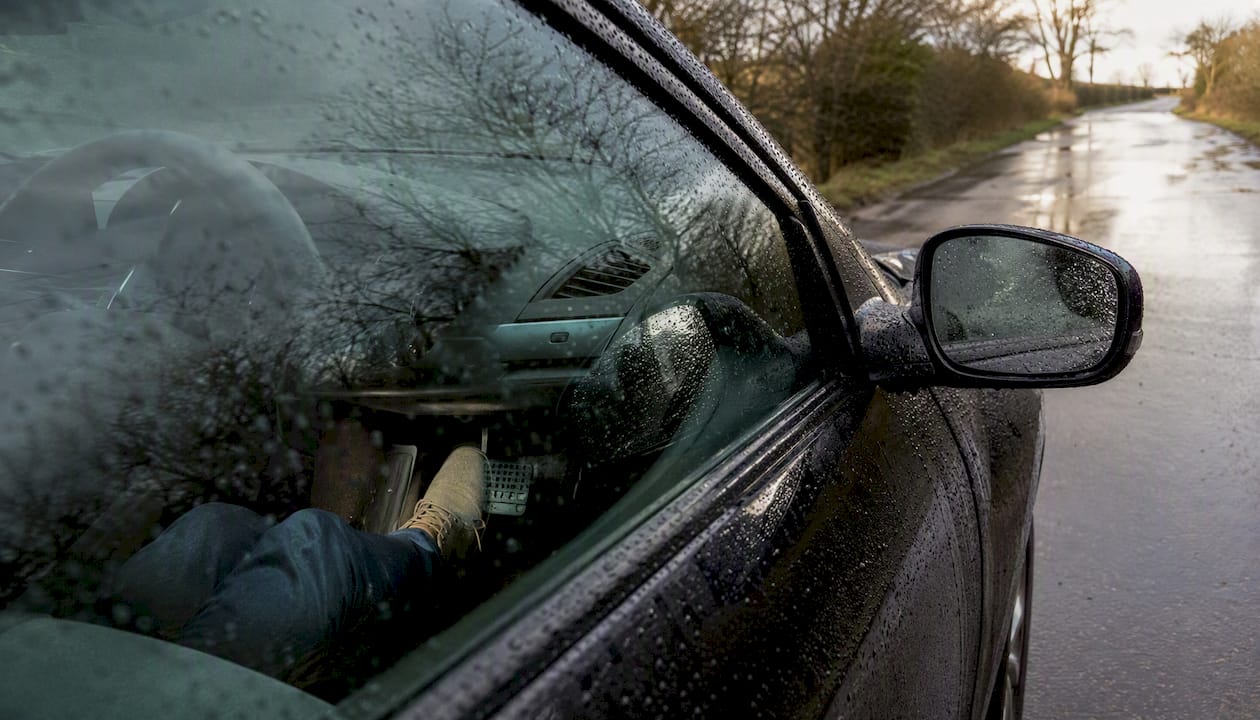
Pro Tip: After a rainy night or a car wash, take a short drive and make 3–4 moderate, controlled stops at low speed. If the scraping sound fades and the pedal feels normal, the rust was surface-only. If noise or pulsation persists, book a shop visit.
Key takeaways
Surface rust on brake rotors is normal and clears with driving; persistent grinding, pedal pulsation, or steering pull under braking means the vehicle needs professional inspection before further use.
| Point | Details |
|---|---|
| Flash rust clears quickly | Light orange surface rust disappears after 3–4 normal stops and is not a safety concern. |
| Three signs to stop driving | Persistent grinding, pedal pulsation, and steering pull under braking all require immediate inspection. |
| Backing plates are a hidden risk | Rust under pad friction material can cause delamination; replacement is required once the bond fails. |
| Canada-specific prevention | Undercarriage washes after salt exposure and a short drive after every car wash are the two most effective habits. |
| DBC Brakes for upgrades | Cross-drilled, corrosion-resistant brake kits from DBC Brakes are available with free shipping on orders over CDN$100. |
Table of Contents
- Why do brakes rust so quickly?
- Which brake parts rust, and where should you look?
- How to tell surface rust from a real braking problem
- What to do right now: safe steps and DIY cleaning for light rust
- When should you see a mechanic?
- How to reduce brake rust year-round in Canada
- Are upgraded parts worth it for Canadian drivers?
- A Canadian brake specialist's perspective
- DBC Brakes: Canadian brake kits built for salt and weather
- Sources
Why do brakes rust so quickly?
Brake rotors are made from cast iron, and brake pad backing plates are steel. Both materials oxidise rapidly when exposed to moisture. Flash rust can appear overnight after rain, morning dew, a car wash, or even humid garage air.
Road salt accelerates the process significantly. Canadian winters coat the undercarriage in a corrosive brine that clings to rotor edges, caliper hardware, and backing plates long after the snow melts. Coastal areas add salt air to the equation year-round.
Usage patterns matter too. Infrequent driving means the pads rarely clean the rotor face, so rust builds between drives. Short trips that never fully heat the rotors leave residual moisture on the metal. Electric and hybrid vehicles are particularly prone to visible surface rust because regenerative braking reduces how often the mechanical pads contact the rotor, removing the routine self-cleaning action.
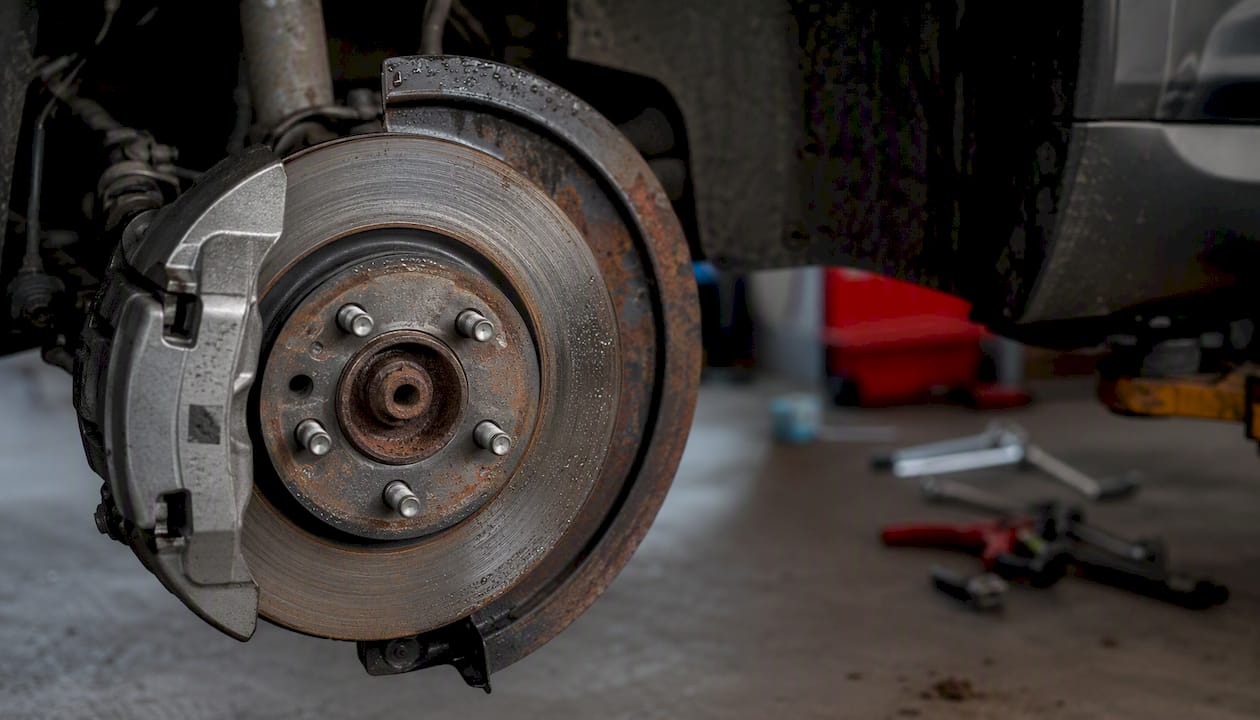
Coatings help on non-friction areas, but the braking surface must stay bare for friction to work. That means the rotor face will always be exposed to the elements between drives.
Which brake parts rust, and where should you look?
Rust does not affect all brake components equally. Knowing where to look helps prioritise what needs attention.
Rotors have three distinct zones:
- Friction faces (where pads contact): pads clean these automatically during normal braking, so light rust clears quickly.
- Outer edge and hat: never touched by pads, so rust accumulates here permanently. Some surface rust on the hat is cosmetic and harmless.
- Cooling vanes (internal fins on vented rotors): moisture collects here and can cause corrosion that weakens the rotor over time if left unchecked.
Pad backing plates are a less obvious failure point. Rust under the friction material can undermine the adhesive bond between the pad and its steel backing plate, leading to delamination or a seized pad. Once that bond fails, the pad must be replaced, not sanded.
Calipers, pins, and slides seize when corrosion builds on the sliding hardware. A seized caliper pin causes uneven pad wear, pulls the vehicle under braking, and can leave one rotor running much hotter than the other.
Quick home check — what to look for through the wheel spokes:
- Scan the rotor face for orange film (normal) versus deep pitting or flaking (not normal).
- Check the outer rotor edge for heavy rust build-up or grooves.
- Look at the caliper body for visible corrosion or uneven pad contact.
- If comfortable removing a wheel, inspect the pad backing plate for rust at the edges and corners.
How to tell surface rust from a real braking problem
Most rust on rotors is harmless. The diagnostic question is whether the rust has affected braking function.
Run this sequence after any extended period of non-use or overnight moisture exposure:
- Park on a flat, open surface with no traffic nearby.
- Drive at low speed (20–30 km/h) and apply moderate, steady brake pressure to a full stop. Repeat 3–4 times.
- Listen for scraping or grinding. Note whether it fades with each stop.
- Feel the pedal: firm and consistent is good; pulsing, spongy, or vibrating is a warning sign.
- Check whether the vehicle tracks straight under braking or pulls left or right.
If the noise clears and the pedal feels normal by stop 3 or 4, the rust was surface flash rust. If symptoms persist, the rotors or hardware need professional inspection.
Red flags that mean stop driving: Grinding that does not clear after several stops, pedal pulsation or vibration, steering pull under braking, or one wheel that feels significantly hotter than the others after a short drive are all signs that rust has affected braking performance and requires professional inspection.
A mechanic checking for rust-related damage looks at pad thickness, rotor thickness against the manufacturer's minimum specification, runout (wobble), pitting depth, and whether caliper slides move freely. These are the same items a careful home inspection covers when you remove a wheel and look closely.
Do not attempt aggressive, hard stops to "test" rusty brakes. That risks locking a seized component or damaging pads that are already compromised.
What to do right now: safe steps and DIY cleaning for light rust
Safety first
Before any inspection or DIY work:
- Park on level ground and apply the parking brake.
- Chock the wheels if lifting the vehicle.
- Let brakes cool completely before touching any component.
- Use proper jack stands, never a floor jack alone, if removing wheels.
Immediate action for surface rust
Take a short drive and make a few moderate stops to let the pads clean the rotor face. This is the safest and most effective first step. For most drivers, it is the only step needed.
DIY cleaning for light rust (wheel removal required)
Before starting: DIY cleaning is appropriate only for light surface rust with no pitting, no pad delamination, and no seized hardware. If you find deep grooves, flaking, or a pad that will not move freely, stop and see a mechanic.
- Remove the wheel and visually inspect the rotor face, edges, and pad backing plates.
- Spray the rotor face with brake cleaner and wipe with a clean lint-free cloth.
- For stubborn surface rust on the rotor face, use 120–220 grit sandpaper or fine steel wool with light, even strokes. Work in a circular pattern across the face.
- Re-spray with brake cleaner and wipe clean. No oils, greases, or rust inhibitors on the friction surface.
- Reinstall the wheel, torque the lug nuts to spec, and take a slow test drive with 4–5 progressive stops to seat the pads.
Pro Tip: Washing your car then parking without driving is one of the most common causes of overnight flash rust. A five-minute drive after a wash heats the rotors and wipes the pads across the face, preventing that cycle.
When should you see a mechanic?
What a shop inspection covers
A thorough brake inspection for rust damage checks:
- Pad thickness (minimum safe thickness varies by manufacturer, typically 2–3 mm)
- Rotor thickness against the minimum spec stamped on the rotor hat
- Rotor runout (lateral wobble measured with a dial indicator)
- Pitting depth and surface condition
- Caliper slide pin movement and hardware condition
| Condition found | Recommended action |
|---|---|
| Light surface rust, pads and rotors within spec | Drive to clean; monitor |
| Surface rust with minor scoring, rotors above minimum thickness | Machine (resurface) rotors, inspect pads |
| Pitting, grooves, or rotors at or below minimum thickness | Replace rotors; replace pads if worn |
| Seized caliper pin or slide | Rebuild or replace caliper; replace hardware |
| Pad backing plate corrosion or delamination | Replace pads; inspect rotor for contamination |
Typical Canadian cost ranges
Parts and labour costs vary by region and part quality. As a general guide, brake pads run roughly CDN$35–150 per axle for parts, with labour around CDN$80–120 per axle. Rotor replacement adds to that total depending on the vehicle and part tier. Machining a rotor costs less than replacement but is only viable when the rotor is above minimum thickness and the damage is superficial.
How to reduce brake rust year-round in Canada
Canadian road conditions make brake corrosion a year-round concern, not just a winter problem. Salt residue lingers on undercarriage components well into spring.
Seasonal and routine steps:
- Wash the undercarriage after each significant snowfall or salting event, not just at the end of winter.
- Take a short drive after every car wash to dry the rotors and wipe the pad faces clean.
- Inspect brake components at the start and end of winter: check pad thickness, look for pitting, and confirm caliper hardware moves freely.
- Replace worn pads early. Thin pads leave more rotor face exposed between stops and accelerate rust build-up.
- Service caliper slides and hardware annually; clean and re-grease slide pins with the correct high-temperature brake grease (on the pin only, never on the friction surface).
- Consider pads with galvanized backing plates if the vehicle sits for extended periods or sees heavy salt exposure. Galvanized backing plates reduce the risk of pad delamination caused by rust undermining the adhesive bond.
Behavioural tips: Drive regularly. Occasional firm, progressive stops keep rotor faces clean and prevent rust from building between uses. For stored or seasonal vehicles, a brief drive every two to three weeks is enough to maintain the rotor surface.
What to avoid: Never apply oil, wax, lubricant, or rust inhibitor to the rotor friction surface or pad face. Contamination reduces friction and creates a serious safety hazard. Protective measures belong on non-friction areas only, applied through purpose-built coatings or corrosion-resistant components.
Pro Tip: A vehicle protection checklist that includes undercarriage washing and drying practices after wet-weather driving covers the same habits that protect brake components from accelerated corrosion.
Are upgraded parts worth it for Canadian drivers?
For drivers dealing with heavy road-salt exposure, infrequent use, or long-term ownership plans, corrosion-resistant upgrades can reduce maintenance frequency and cost.
Options at a glance:
GEOMET-style coatings apply a thin, heat-resistant film to the rotor hat, edges, and cooling vanes. They protect non-friction areas from corrosion without altering the braking surface. Appearance stays cleaner longer, and the coating does not burn off under normal braking heat. These are a practical, cost-effective upgrade for daily drivers in salt-belt regions.
Cross-drilled rotors improve heat and gas dissipation and can reduce the moisture retention that contributes to flash rust. They are a good fit for drivers who want both performance and corrosion management. For more detail on which brake kit features improve durability in demanding conditions, the linked guide covers the key design considerations.
Galvanized or stainless backing plates on brake pads address the delamination risk directly. They cost more than standard pads but eliminate one of the more serious rust-related failure modes for vehicles that sit between uses.
| Upgrade type | Areas protected | Best suited for |
|---|---|---|
| GEOMET or zinc coating | Hat, edges, vanes (non-friction) | Daily drivers, salt-belt commuters |
| Cross-drilled rotors | Improved drainage, less moisture retention | Performance and daily use |
| Galvanized pad backing plates | Pad-to-plate bond | Infrequent drivers, coastal exposure |
Pro Tip: Match the upgrade to your driving profile. A daily commuter in Toronto or Calgary benefits most from coated rotors and galvanized backing plates. A seasonal or weekend vehicle needs the same upgrades plus a storage plan that includes periodic short drives. For brake upgrades suited to Canadian road conditions, the linked guide covers region-specific recommendations.
A Canadian brake specialist's perspective
Flash rust is the most common brake concern shops see after a rainy stretch or a long weekend. Nine times out of ten, it clears on the first drive. The pattern that actually causes problems is the slow, cumulative kind: road salt sitting on caliper hardware through an entire winter, pad backing plates corroding under the friction material without any visible sign, or rotors that have been at minimum thickness for two seasons and finally pit through.
The inspection priorities are straightforward: pad thickness, rotor thickness against the minimum spec, and whether the caliper slides move freely. Those three checks catch the vast majority of rust-related failures before they become safety issues. Pitting on the rotor face is the item most drivers miss on a visual check because it is not always obvious through the wheel spokes.
For drivers who want to reduce how often they deal with these issues, DBC Brakes offers corrosion-aware brake kits built for Canadian conditions, including cross-drilled rotors and compatible corrosion-resistant options.
DBC Brakes: Canadian brake kits built for salt and weather
Replacing corroded rotors or pads is the right call when components are past their service limit. DBC Brakes supplies premium brake kits directly to Canadian drivers, with cross-drilled rotors engineered to reduce warping and improve heat dissipation, and corrosion-resistant options suited to salt-belt driving.
Pricing is inclusive with no hidden fees, and free shipping applies to orders over CDN$100 within Canada. Support comes from knowledgeable staff, not automated responses, so questions about fitment or upgrade choices get a real answer. Browse the full range of brake kits for your vehicle at CrossDrilledRotors.ca and confirm the right kit for your make and model before the next winter season.
Sources
- Why Brake Rotors Rust Overnight—And When To Worry
- Is Rust On The Brake Rotors Dangerous?
- Rust on Brakes: Does It Matter?