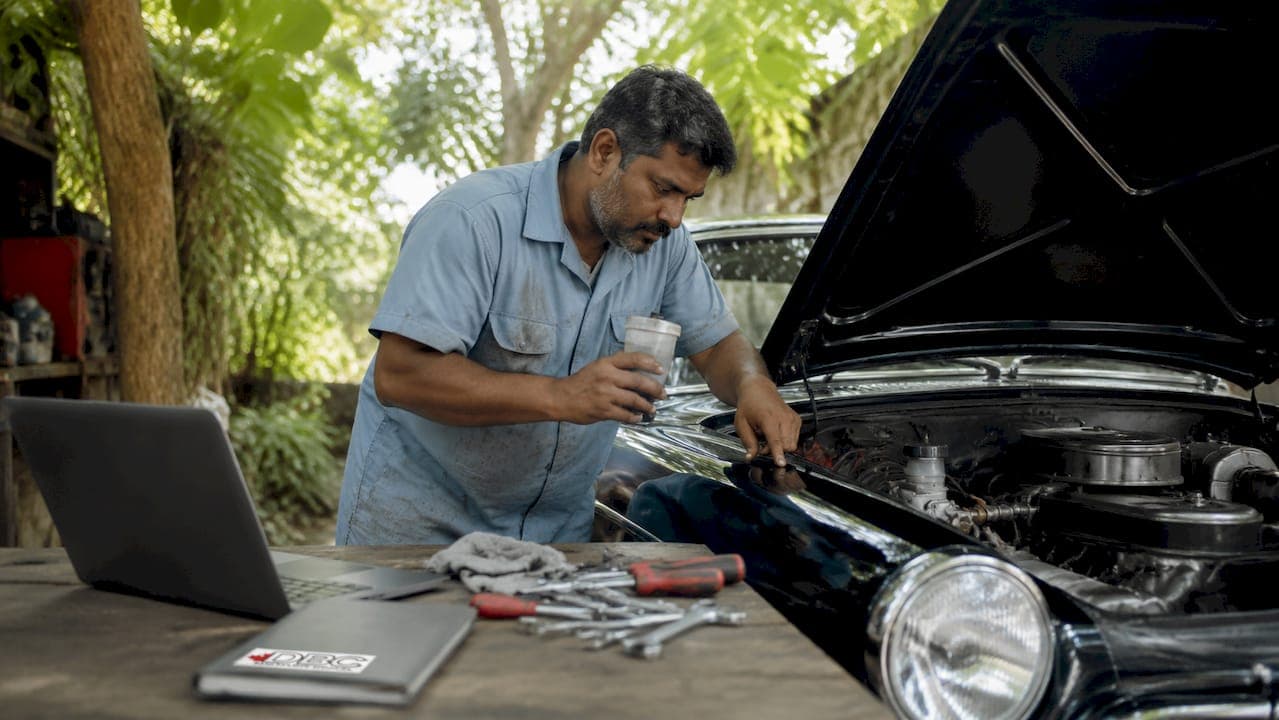
Brake fluid is the incompressible hydraulic medium that transfers force from your brake pedal directly to the calipers and drums that stop your vehicle. Without it, pressing the pedal produces nothing. The role of brake fluid in safety goes beyond simply filling a reservoir. It determines how fast your brakes respond, how much force reaches the wheels, and whether systems like ABS and ESC can function at all. Neglecting brake fluid is one of the most common and most consequential oversights Canadian drivers make.
How does brake fluid function in the hydraulic braking system?
Brake fluid acts as the force carrier inside a closed hydraulic circuit. When you press the pedal, the master cylinder pushes fluid through brake lines under pressure. That pressure travels to each wheel, where it forces the caliper pistons or wheel cylinders to clamp the brake pads or shoes against the rotor or drum. The force transfers hydraulically to the brakes, meaning the system depends entirely on the fluid remaining incompressible.
Incompressibility is the key property. A gas compresses when squeezed. A liquid does not. Brake fluid stays dense under pressure, so every newton of force you apply at the pedal arrives at the brakes with minimal loss. The moment fluid becomes contaminated or starts to boil, it can form vapour bubbles. Vapour compresses. The pedal goes spongy, and braking force drops.
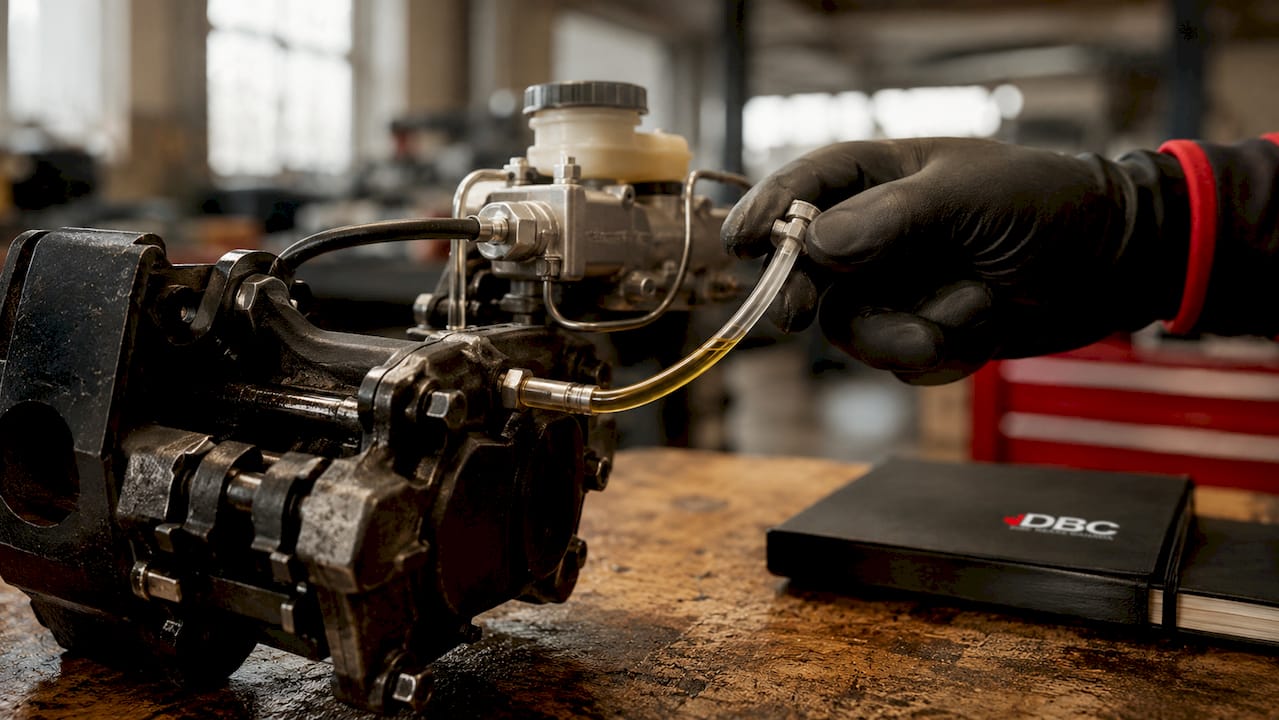
Modern vehicles add another layer of complexity. ABS and electronic stability control systems modulate brake pressure dozens of times per second through narrow solenoid valves. Those valves are sensitive to fluid viscosity. Rapid valve operation requires fluid thin enough to move quickly through tight passages. Thick or degraded fluid slows that response, reducing the effectiveness of the safety systems your vehicle relies on most.
Key functions of brake fluid in the hydraulic system:
- Transmits pedal force to brake calipers and drums without energy loss
- Maintains consistent pressure across all four wheels simultaneously
- Lubricates internal seals and metal components to prevent wear
- Carries corrosion inhibitors that protect lines, cylinders, and calipers
- Enables ABS and ESC pressure modulation through precise viscosity control
Pro Tip: If your brake pedal feels soft or requires more travel than usual, check the fluid level and colour before assuming a mechanical fault. Degraded fluid is often the first cause.
Why is brake fluid quality and maintenance essential for safety?
Brake fluid degrades over time, and the primary reason is moisture. Glycol-based fluids, which cover DOT 3, DOT 4, and DOT 5.1 specifications, are hygroscopic. They absorb moisture through brake hoses and seals even in a sealed system. That moisture accumulation is unavoidable and continuous.
Moisture lowers the boiling point of the fluid. Fresh DOT 4 fluid has a dry boiling point above 230°C. Once it absorbs moisture, that figure drops significantly. Under hard braking, brake components generate intense heat. If the fluid boils, vapour bubbles form inside the lines. Those bubbles compress under pedal pressure instead of transmitting force. The result is brake fade: the pedal sinks, stopping distances increase, and in extreme cases the brakes stop responding altogether.
The danger is that degradation happens gradually and silently. Overdue brake fluid may show no symptoms during normal city driving. The problem surfaces under stress: hard braking on a highway, descending a long hill, or towing a trailer. Those are exactly the moments when full braking performance matters most.
Contaminated fluid also causes corrosion. Corrosion inside brake systems increases as moisture and chemical breakdown products attack metal components. Brake lines, caliper pistons, and master cylinder bores are all vulnerable. Corrosion leads to leaks, seized calipers, and costly repairs that far exceed the price of a routine fluid change.
Recommended replacement intervals and warning signs:
- Replace brake fluid every two years or 24,000 miles to prevent moisture buildup and maintain thermal safety margins.
- Watch for a spongy or soft pedal feel, which signals vapour formation or air in the lines.
- Check fluid colour. Fresh fluid is pale yellow or clear. Dark brown or black fluid is heavily contaminated.
- Note extended stopping distances, especially under repeated or hard braking.
- Have fluid tested with a boiling point tester if the vehicle is used for towing or mountain driving.
Statistic callout: Brake fluid is not a lifetime fluid. Moisture uptake continues even in sealed systems, which is why periodic replacement is the only reliable way to maintain safe boiling performance.
What are the differences among brake fluid types?
Not all brake fluids are interchangeable. The DOT classification system defines minimum boiling points and viscosity limits. Choosing the wrong specification affects both safety and the function of modern vehicle electronics.
| Fluid type | Dry boiling point | Wet boiling point | Common use |
|---|---|---|---|
| DOT 3 | 205°C | 140°C | Older vehicles, light duty |
| DOT 4 | 230°C | 155°C | Most modern passenger vehicles |
| DOT 5.1 | 260°C | 180°C | Performance vehicles, ABS/ESC systems |
| DOT 5 | 260°C | 180°C | Silicone-based, not hygroscopic, not compatible with ABS |
DOT 5 is silicone-based and does not absorb moisture. That sounds like an advantage, but it is not compatible with ABS or ESC systems and is not suitable for most modern vehicles. DOT 3, DOT 4, and DOT 5.1 are all glycol-based and can be mixed in an emergency, though mixing reduces overall performance.
The critical factor for modern vehicles is viscosity. ABS and ADAS systems require low-viscosity fluid to operate their solenoid valves at the speed needed for effective intervention. Some manufacturers specify a low-viscosity DOT 4 variant. Using standard DOT 4 in those systems slows valve response and reduces ABS effectiveness. The safest fluid strategy is matching the manufacturer's specification exactly, not simply choosing the highest DOT rating available.
Pro Tip: Check your owner's manual for the exact fluid specification, including any low-viscosity designation. A higher DOT number does not automatically mean better performance for your specific vehicle.
Drivers who use their vehicles for towing should pay particular attention to fluid specification. Brake heat under load is substantially higher than during normal driving. The brake components under towing conditions demand fluid with the highest wet boiling point your manufacturer approves.
How can vehicle owners monitor and maintain brake fluid?
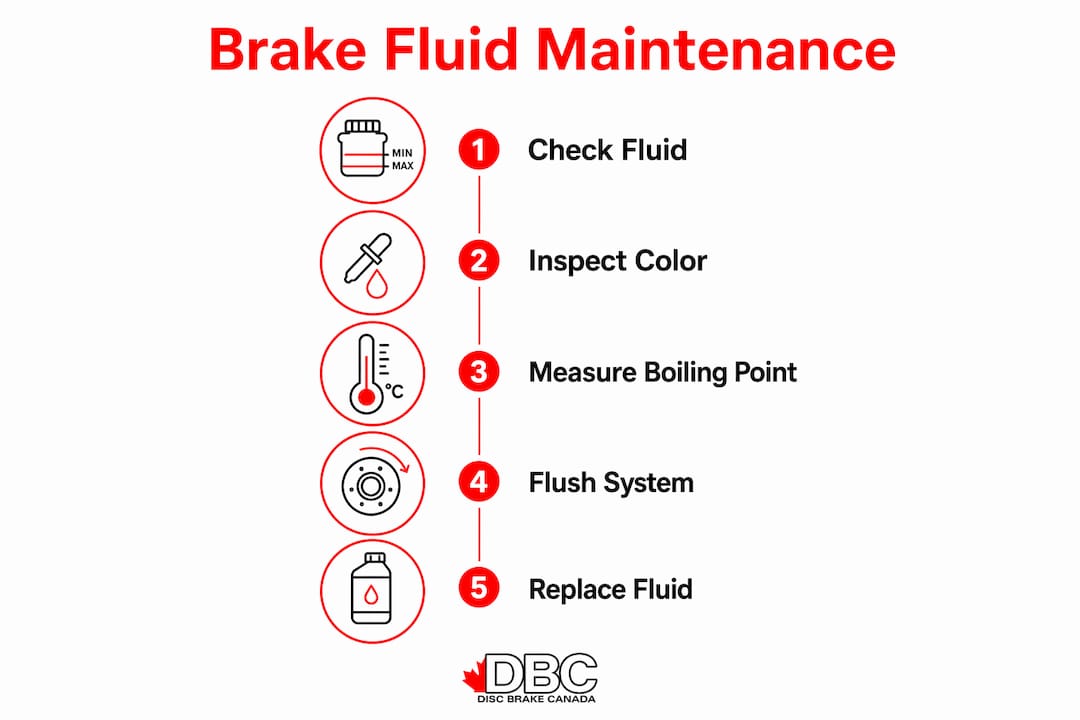
Brake fluid maintenance is straightforward and inexpensive compared to the repairs that neglect causes. The reservoir is typically located on top of the master cylinder under the bonnet, marked with MIN and MAX lines. Checking it takes under a minute.
Visual checks to perform regularly:
- Confirm the fluid level sits between MIN and MAX. A low level may indicate a leak or worn brake pads.
- Observe the colour. Pale yellow or clear is acceptable. Dark or murky fluid needs replacing.
- Check for a burnt smell when opening the reservoir cap. Burnt fluid has lost its corrosion inhibitors.
- Inspect the reservoir cap seal for cracks or deterioration that allow moisture entry.
A professional brake fluid flush removes all old fluid from the system and replaces it with fresh fluid. This is different from a top-up, which only adds fluid without removing contamination. Professional service costs vary by vehicle and region. In the UK, a flush typically runs £80–£100. Canadian pricing is comparable in relative terms, though it varies by province and shop. The cost is modest relative to replacing a seized caliper or corroded brake line.
DIY fluid replacement is possible for experienced drivers. The process involves bleeding each brake caliper in sequence while a helper pumps the pedal. A step-by-step brake kit installation guide covers the bleeding process in detail. For most drivers, professional service is the safer choice because it includes a system inspection alongside the fluid change.
| Service type | What it includes | Recommended for |
|---|---|---|
| Fluid top-up | Adds fluid to reservoir only | Temporary fix for low level |
| Brake fluid flush | Full system drain and refill | Routine maintenance every 2 years |
| Full brake service | Flush plus component inspection | High-mileage vehicles or after brake repairs |
Key takeaways
Brake fluid is the single hydraulic component that connects every pedal input to every braking action, and its condition directly determines whether your vehicle stops safely under normal and emergency conditions.
| Point | Details |
|---|---|
| Fluid transfers braking force | Brake fluid carries pedal pressure to calipers and drums through an incompressible hydraulic circuit. |
| Moisture degrades performance | Glycol-based fluids absorb moisture over time, lowering boiling points and risking vapour-induced brake fade. |
| Replace every two years | Fluid replacement every two years or 24,000 miles maintains safe boiling performance and prevents corrosion. |
| Match manufacturer specification | Use the exact DOT type and viscosity your manufacturer specifies, not simply the highest rating available. |
| ABS and ESC depend on fluid quality | Modern safety systems require low-viscosity fluid to modulate pressure fast enough for effective intervention. |
Brake fluid: the maintenance item most drivers overlook
Most drivers check their oil, rotate their tyres, and replace wiper blades on schedule. Brake fluid rarely makes that list. I have seen this pattern repeatedly: a driver brings in a vehicle with a spongy pedal and assumes the calipers are failing. The actual problem is fluid that has not been changed in five or six years and has absorbed enough moisture to boil under moderate braking.
The uncomfortable truth is that degraded brake fluid gives almost no warning during everyday driving. City speeds and light braking do not stress the system enough to reveal the problem. The failure shows up on a highway off-ramp, on a steep descent, or during an emergency stop. Those are the worst possible moments to discover that your hydraulic system is compromised.
Drivers who tow trailers face even higher risk. Brake heat under load accelerates vapour formation in fluid that is already moisture-saturated. The Haldex system failures documented in AWD vehicles share a common thread with brake fluid failures: hydraulic fluid quality is treated as secondary until a component fails.
My advice is simple. Add brake fluid to your annual maintenance checklist alongside oil and filters. Check the colour every time you open the bonnet. If the fluid is dark or the vehicle has not had a flush in two years, book the service. The cost is low. The safety margin it restores is not.
— Sam
Brake products and fluid service for Canadian drivers
Canadian drivers need brake products that match their vehicle specifications and Canadian road conditions.
DBC Brakes supplies premium brake kits and components for a wide range of vehicles, with specifications matched to manufacturer requirements. Whether you drive a daily commuter or a performance vehicle, DBC Brakes provides the parts and guidance needed to keep your brake system operating safely. Visit CrossDrilledRotors.ca to find brake components matched to your vehicle make and model, with transparent pricing and free shipping on orders over $100. Knowledgeable support is available without automated responses, so you get accurate answers about fluid compatibility and brake system maintenance.
FAQ
What does brake fluid actually do?
Brake fluid is the hydraulic medium that transfers pedal force to the calipers and drums at each wheel. Without it, pressing the brake pedal produces no braking action.
How often should brake fluid be replaced?
Brake fluid should be replaced every two years or 24,000 miles to prevent moisture buildup and maintain safe boiling performance.
Can I use any DOT fluid in my vehicle?
No. Using the wrong specification, particularly the wrong viscosity grade, can slow ABS and ESC response and reduce the effectiveness of your vehicle's safety systems. Always follow the manufacturer's specification.
What are the signs that brake fluid needs changing?
A spongy pedal, dark or discoloured fluid, extended stopping distances, and a burnt smell from the reservoir are all signs that brake fluid is degraded and needs replacing.
Is brake fluid maintenance different for vehicles used for towing?
Towing generates significantly more brake heat than normal driving. Drivers who tow should inspect fluid condition more frequently and confirm their fluid meets the highest wet boiling point approved by the manufacturer for their vehicle.